
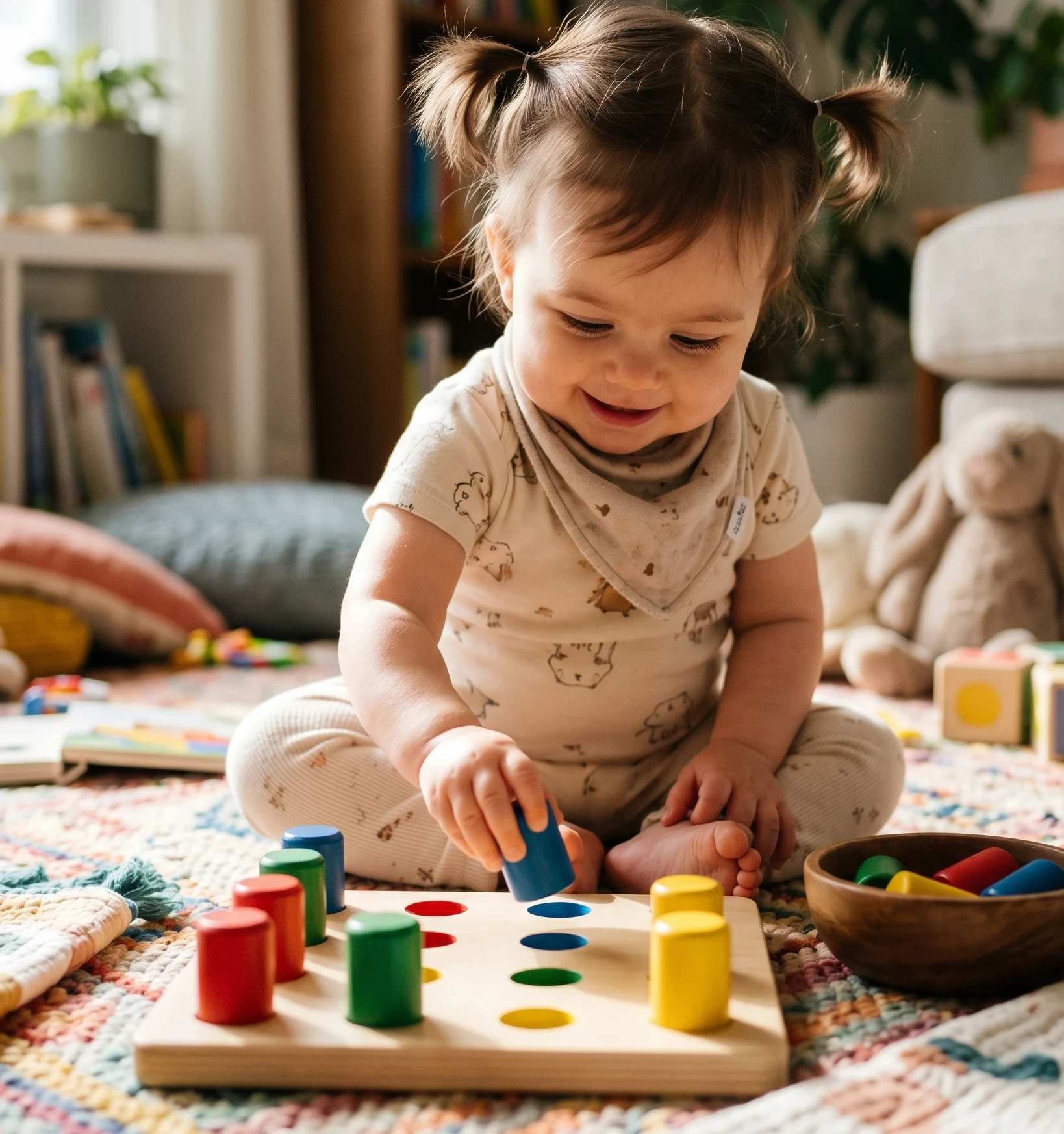
Motor skills can be divided into two main categories: gross motor skills and fine motor skills. Gross motor skills involve the use of large muscle groups for movements like jumping, running, or throwing, while fine motor skills are about the precise use of smaller muscles, enabling activities like writing, drawing, or buttoning a shirt. Recognizing these types helps in supporting your child through tailored activities.
Motor skills play a crucial role in a child’s overall development. They contribute to physical health, enable children to explore their environment, and provide opportunities for social interaction and learning. A child with well-developed motor skills can more easily participate in activities like sports or arts and crafts, fostering both physical and cognitive growth.
Play is a fundamental part of acquiring motor skills. It creates a fun, engaging context where children naturally develop coordination, strength, and balance without even realizing they’re learning. Through activities like playing tag or building with blocks, kids improve their motor skills in a relaxed and enjoyable way.
When thinking about how children learn motor skills through play, it’s essential to keep in mind that play offers a low-pressure setting. Children are more likely to try new things, take risks, and refine their abilities when they are enjoying themselves. Encouragement from parents to explore and play is a critical component in this learning process, as it builds confidence and fosters a love for active participation.
Motor Skills Exercises for Every Age
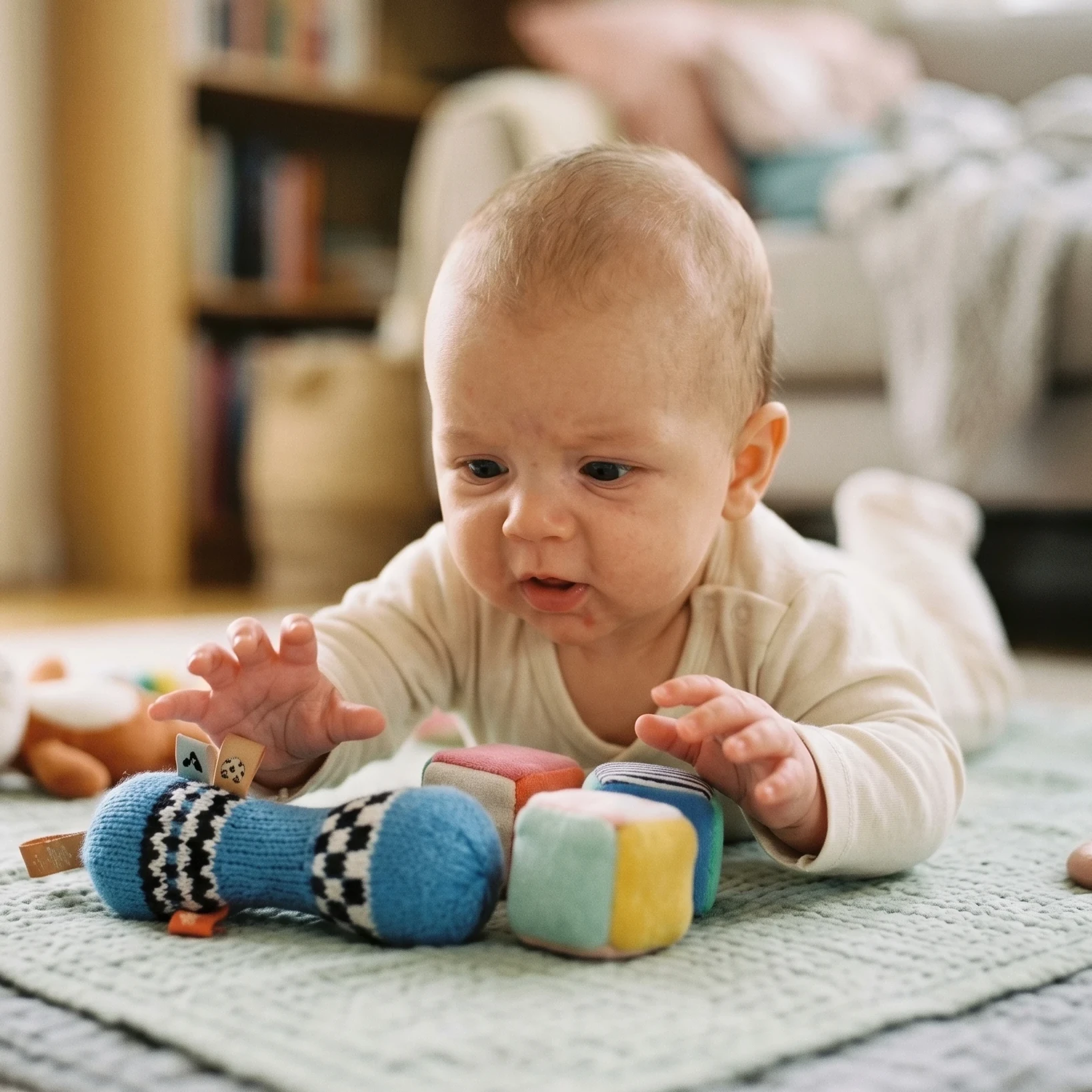
Selecting suitable motor skills activities depends largely on the child’s age and developmental stage. What works for a toddler won’t necessarily suit a school-aged child. The goal is to provide challenges that are appropriate, allowing them to push their boundaries safely.
For different age groups, consider activities that will engage and challenge their specific skill levels. For instance, toddlers thrive on basic tasks like stacking blocks or dancing to music, which build foundational skills. Preschoolers can progress to more complex tasks such as cutting with safety scissors or navigating obstacle courses that encourage agility and coordination.
Incorporating arts and crafts can significantly enhance fine motor skills. Activities like stringing beads or simple paper folding not only boost creativity but also refine finger dexterity. Little ones enjoy messy, colorful projects, so don’t underestimate the power of crafting to aid skill development.
When choosing motor skills activities, always consider what your child is naturally drawn to. Pay attention to their interests and choose exercises that they’ll be excited about, which ensures sustained engagement and improvement. Also, be mindful of their limits, promoting an environment where trial and error is encouraged, making the learning process both effective and enjoyable.
Top 10 Motor Skills Activities for Toddlers
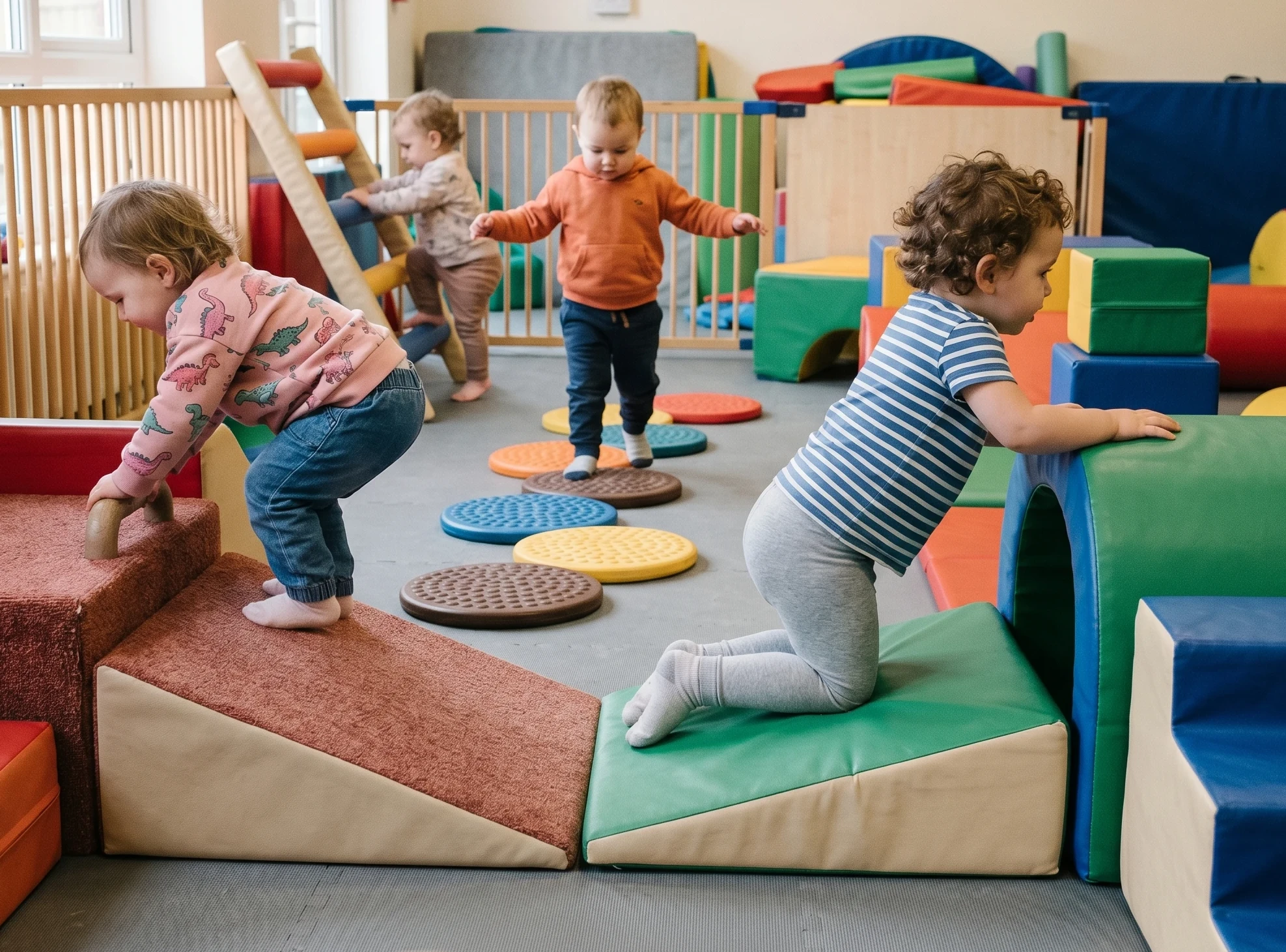
Toddlers are natural explorers, and supporting their motor skills can be both fun and rewarding. Here are some top activities that get them moving and learning:
1. Dancing: Encourage your little one to move to their Favourite tunes. Dancing is excellent for balance and coordination.
2. Building Towers: Provide blocks of various sizes for them to stack up and knock down, boosting both gross and fine motor skills.
3. Obstacle Course: Use pillows, cushions, and furniture to create a safe course. Crawling under and climbing over objects supports their physical development.
4. Finger Painting: Aside from being a sensory delight, it helps refine hand-eye coordination and creativity.
5. Sand Play: Digging, pouring, and shaping sand are great for finger strength and dexterity.
6. Ball Games: Catching, throwing, or kicking balls of different sizes helps with hand-eye coordination and agility.
7. Puzzles: Age-appropriate puzzles enhance problem-solving skills and dexterity, especially when turning and placing pieces.
8. Water Play: Activities like pouring water from one container to another improve coordination and provide a calming effect.
9. Nature Walks: Collecting rocks, leaves, or pinecones during a walk nurtures fine motor skills and instills a love for nature.
10. Play Dough: Squishing, rolling, and shaping play dough strengthens small hand muscles and encourages creativity.
These activities are designed to fit seamlessly into a toddler’s routine, ensuring they stay engaged while building essential motor skills. Balancing variety and consistency in these activities helps maintain their interest and supports continuous skill improvement.
Integrating Motor Skills into Daily Routines
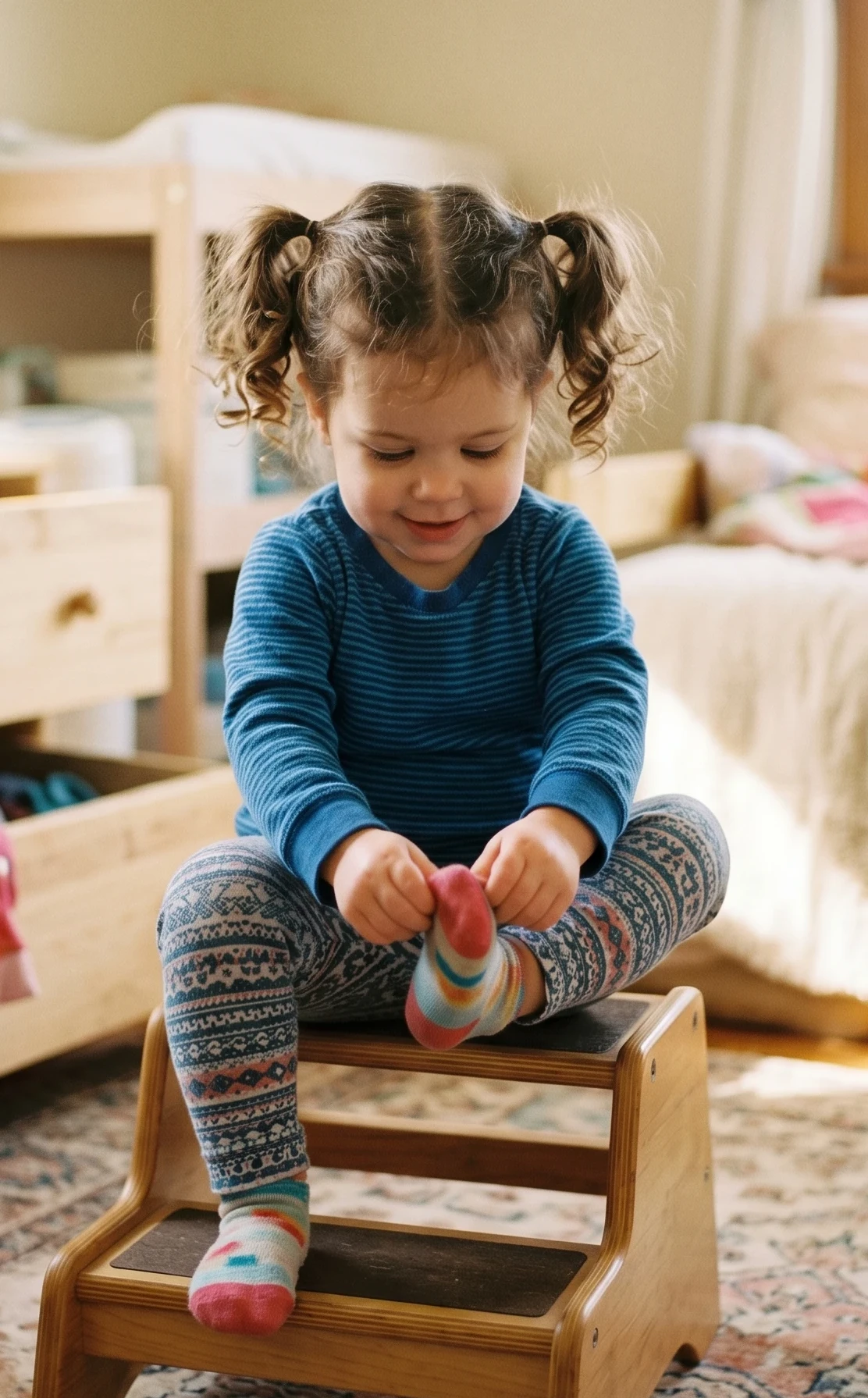
Incorporating motor skills training into your child’s daily life doesn’t need to be complicated. Everyday tasks provide excellent opportunities for practice and improvement. The key is recognizing these chances and making slight adjustments to maximize their potential.
Start with morning routines. Encourage your child to brush their teeth or dress themselves. These simple tasks improve dexterity and independence. Setting up a step stool at the bathroom sink can make these activities easier and more fun, boosting their confidence.
Meal times can also benefit motor skills development. Allow them to help set the table or pour their own drinks. Using kid-friendly utensils not only makes the process safer but also aids in developing hand-eye coordination and control.
Encourage active play during chores. Singing songs while picking up toys or having a race to see who can sort laundry faster makes these tasks engaging while building gross motor skills. Plus, it gives them a sense of accomplishment when the task is done.
Storytimes can incorporate elements that enhance motor skills too. Encourage your child to turn the pages of their favorite book or to act out parts of the story which involves movement. This supports both motor skills and literacy.
By integrating motor skills practice into these everyday routines, you help ensure that your child steadily develops their abilities in ways that feel natural and enjoyable. Balancing structured activities and spontaneous play keeps their days fulfilling and developmental progress steady.
The Benefits of Play in Developing Motor Skills
Play isn’t just about fun; it’s also a powerful tool for developing motor skills. Through play, children enhance their physical abilities in an environment that’s free from pressure and full of joy.
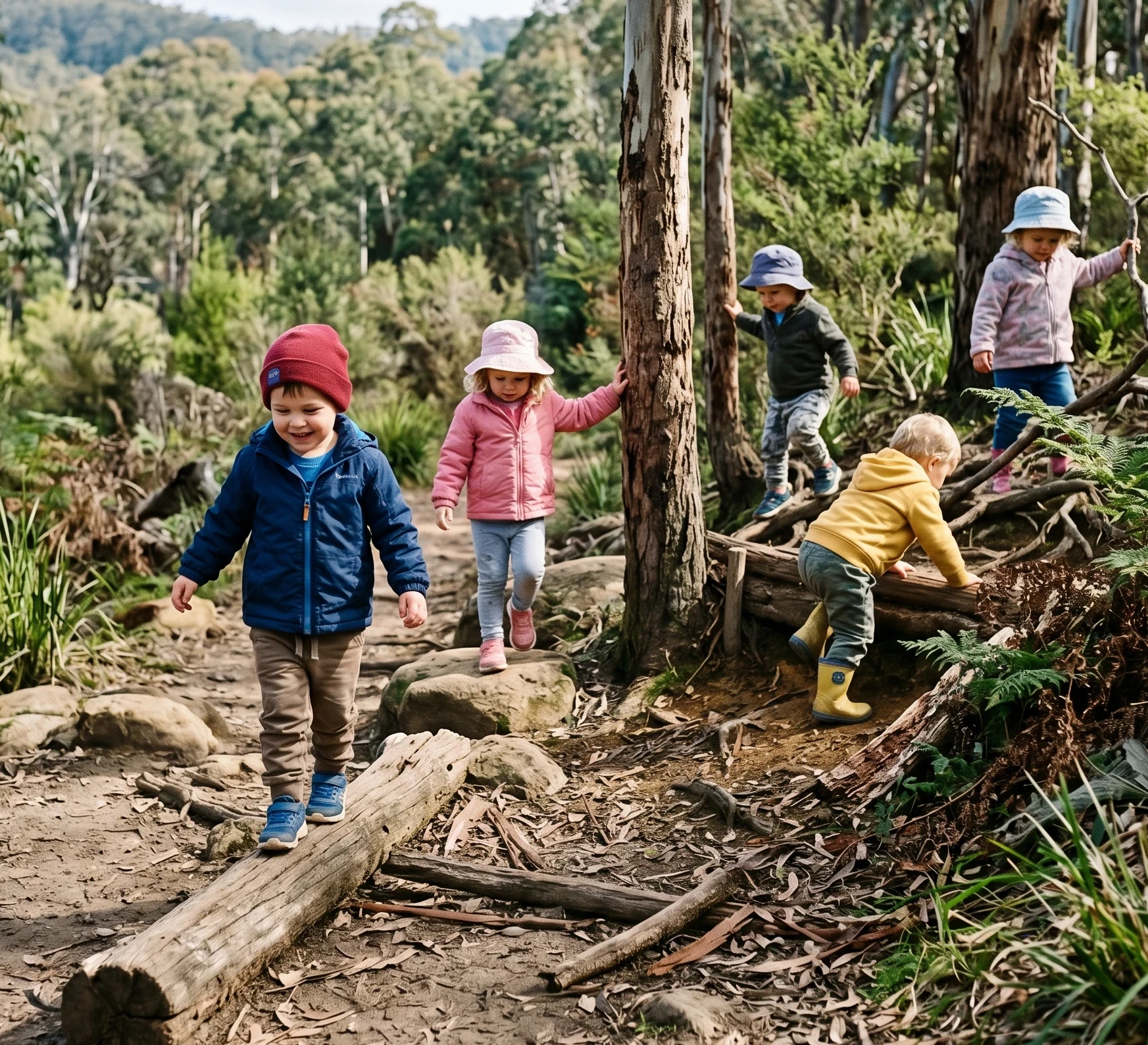
Improving coordination, balance, and strength are some of the physical benefits kids gain from play. Activities like tag, hopscotch, or even climbing on play structures naturally enhance these skills. It’s through such unstructured yet dynamic play that kids build strength and agility, often without being consciously aware of their improvements.
Aside from the physical development, play fosters emotional and social growth. Through games that involve taking turns or following rules, kids learn about cooperation and patience. These interactions also bolster communication skills, which are key components in holistic development.
The confidence boost that comes from mastering new skills during play is significant. As children realize they can climb higher, run faster, or balance longer, they develop a sense of accomplishment and self-assurance. This newfound confidence can spill over into other areas of their lives, encouraging them to take on new challenges with enthusiasm.
Moreover, engagement in physical play encourages stress relief and overall well-being. Moving the body is a natural way to relieve tension, and when kids are free to express themselves through movement, they often find ways to manage emotions better. This comprehensive set of benefits underscores the importance of integrating play into daily routines as a fundamental aspect of child development.
Your Step-By-Step Guide to Enhancing Children’s Motor Skills
Creating an environment that nurtures motor skills development starts with providing space and time for exploration. Ensure that your child has access to various toys, tools, and open spaces where they feel free to move and interact with their surroundings safely.
Establish small, achievable goals which can be adjusted as progress is made. Start with simple tasks and gradually introduce more challenging activities as your child gains confidence and proficiency. Observing what they can achieve and tweaking goals based on their abilities keeps motivation high.
Get involved in the process. Engaging with your child during play not only strengthens your bond but also provides encouragement and guidance. Whether you’re joining in on a building project or helping to navigate a new obstacle course, your presence and support can amplify their learning experience.
Regularly adjust the activities to match your child’s evolving interests and abilities. Keeping their playtime varied and aligned with what excites them ensures they remain enthusiastic about developing new skills. Tailoring activities to their preferences prevents monotony and supports ongoing interest.
Monitor their progress and celebrate successes, no matter how small. Giving recognition to their achievements boosts self-esteem and encourages them to continue pushing their limits. Providing positive reinforcement helps solidify the connection between effort and reward in their minds.
Above all, being patient and flexible will serve you well. Each child progresses at their own pace, and while some may quickly grasp new skills, others require more time. Fostering an encouraging and understanding atmosphere allows them to develop at a rate that’s comfortable and supportive. With thoughtful planning and a nurturing approach, you can significantly impact their motor skills journey.
Great post! I really like how you explained the difference between fine and gross motor skills in such an easy-to-understand way. Play really is one of the best ways for kids to learn naturally without feeling pressured. The everyday routine ideas were especially helpful because parents can work on motor skills without needing expensive toys or complicated activities.
Thank you so much for your kind feedback! We’re delighted to hear that you found the article helpful and easy to follow.
We completely agree that some of the best learning opportunities happen through everyday play and daily routines. Children are naturally curious and eager to explore their environment, which is why simple activities like drawing, stacking blocks, helping in the kitchen, playing outdoors, or even getting dressed can contribute so much to their motor skill development.
One of our goals was to reassure parents that supporting their child’s development doesn’t have to involve expensive toys or highly structured activities. Often, the most valuable experiences come from spending time together, encouraging exploration, and allowing children to learn through play at their own pace.
Thank you again for taking the time to share your thoughts. It’s wonderful to hear from parents and caregivers who recognise the importance of making learning fun, engaging, and accessible. We truly appreciate your support and hope our resources continue to provide helpful ideas and encouragement along your parenting journey.
My daughter used to struggle with simple things like holding crayons and stacking blocks, so we started doing more play-based activities at home and it honestly helped a lot. The obstacle course idea worked really well for us because it kept her active without making it feel like “practice.” I also noticed that things like play dough and pouring water into cups improved her hand control over time. Kids seem to learn faster when they’re just having fun instead of being pushed too hard.
Thank you so much for sharing your experience! It’s wonderful to hear how much progress your daughter made through simple, play-based activities.
You’ve highlighted something that many parents discover—children often learn best when they’re engaged, having fun, and exploring at their own pace. Activities like obstacle courses, play dough, stacking blocks, drawing, and even pouring water are fantastic ways to build both gross and fine motor skills without children feeling like they’re being taught or tested.
We love that you mentioned hand control too. Fine motor skills develop gradually, and everyday activities that seem simple to us can make a huge difference in strengthening little hands and improving coordination over time.
Most importantly, your experience is a great reminder that progress doesn’t always come from structured practice. Creating opportunities for play, exploration, and movement can be one of the most effective ways to support a child’s development while building their confidence along the way.
Thank you again for taking the time to share your story. We’re sure your insights will encourage other parents who may be looking for fun and practical ways to support their child’s motor skill development.