
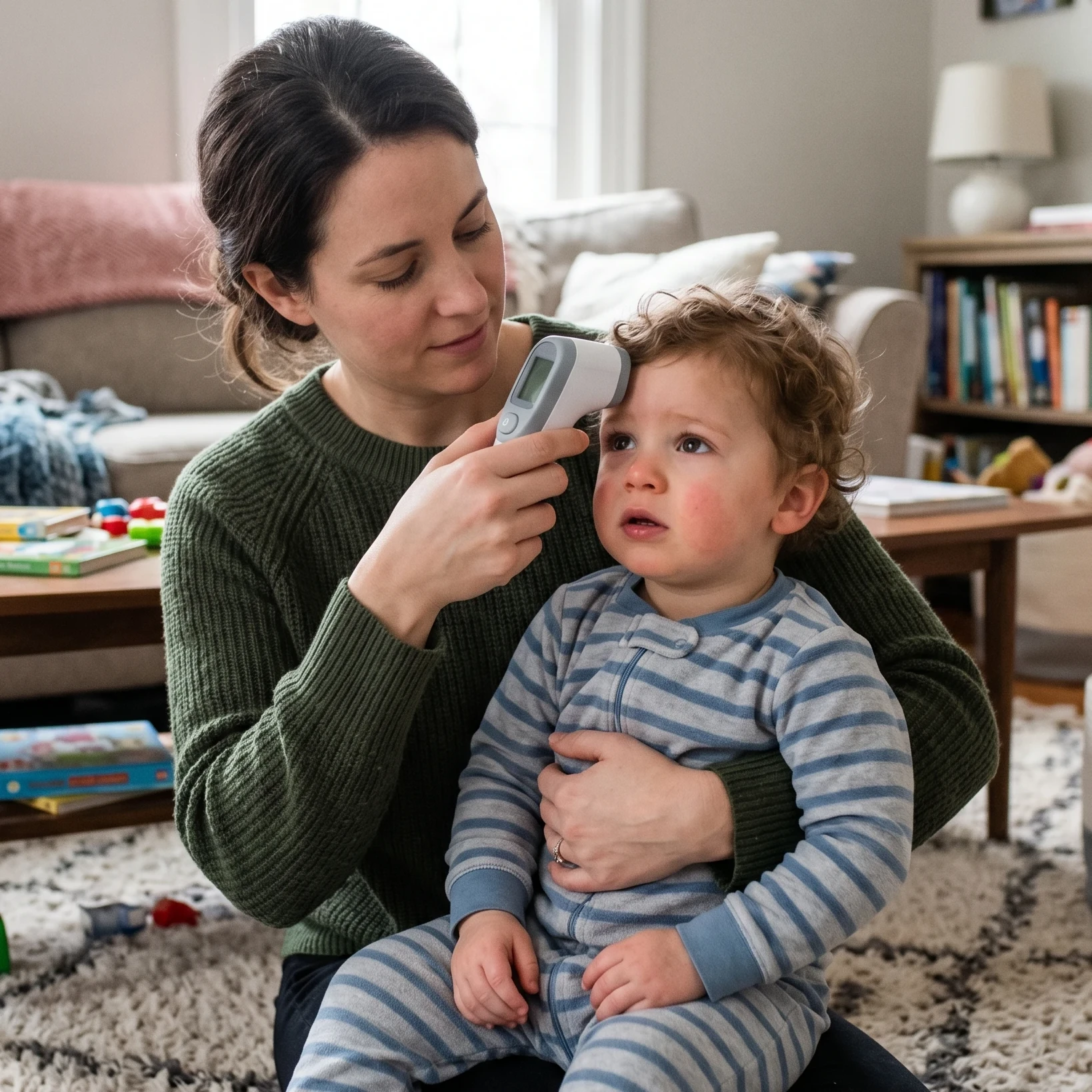
 When you’ve got little ones running—or crawling—around, knowing how to check if they’re under the weather is super important. Keeping tabs on their temperature is one of the easiest ways to see if something’s off. That’s where thermometers come into play.
Now, you might be wondering about the options available for measuring temperatures. From fancy digital models to forehead strip thermometers, exploring these gadgets can be an adventure in itself. But don’t worry, they all pretty much promise one thing—helping you keep your little ones safe and healthy.
So why have thermometers become such a big deal? Well, they aren’t just about sticking a device under a tongue anymore. Modern thermometers come with infrared tech that lets you measure temperatures without waking up your sleeping angel, or even using good old manual approaches that don’t need batteries.
Imagine having a reliable tool that gives you peace of mind when your toddler feels a bit too warm. It’s about having that “aha!” moment when you finally find the thermometer that blends perfectly with your lifestyle. In this section, we’ll take you through the ins and outs of these devices, what to look out for, and why having a thermometer handy can ease a lot of parental stress.
Frequently Asked Questions About Selecting the Right Thermometer
Picking the right thermometer for your baby or toddler isn’t just a stroll in the park. With so many options flooding the market, it’s easy to get a bit lost. But fear not, I’m here to help break it down!
So, what’s the most accurate type of thermometer for little ones, you might ask? Digital thermometers often take the crown here. They give quick and precise readings, whether you’re doing it orally or rectally. Those forehead thermometers also get a lot of love from parents for their non-invasive feel, even if some say they fluctuate a tad with room temperature changes.
And how do digital thermometers compare to the old-school ones? Well, they’re generally faster and come with beep alerts or backlights for easy readings. But what sets them apart is the smart tech you can sometimes connect to your phone. It’s pretty neat to track your baby’s temperature over a week without jotting down notes.
When it comes to must-have features, look for those easy-to-clean, waterproof models. Trust me, you want something durable (children can be a bit rough, after all) and user-friendly, especially during those 3 a.m. wake-up calls when every second counts. Some even come with memory functions that store previous readings, which can be a lifesaver during doctor visits.
Bottom line—but not bottom of the list—consider the ease of use, timing, and of course, your budget. A good thermometer doesn’t need to break the bank. Just find the one you feel most comfortable with, and go from there!
Utilization and Safety Concerns
When it comes to using thermometers on your little ones, safety always comes first. You don’t want to mess around when it involves health, right? The safest method depends on your thermometer, of course. Most pediatricians still recommend the rectal method for the most accurate readings in infants, but let’s face it, it’s not always practical or comfortable. Other times, you might use an oral or armpit reading when they’re a bit older and more cooperative.
Now, how often should you check their temperature? While you don’t want to turn into a helicopter parent over every sniffle, it’s good to know your child’s usual wellness patterns. If they start acting out of character—that’s when you whip out the thermometer. Keeping a cool head and applying common sense works wonders!
Okay, so let’s talk safety concerns. Keeping your device clean is crucial. You’d want to avoid transferring germs, right? Alcohol wipes are your best friend here—just give it a quick swipe after each use. Also, avoid using a thermometer meant for ears on other parts of the body, and vice versa; they all come with their own instructions for a reason.
Parental instincts are gold, trust in them! But if you ever feel unsure or concerned, don’t hesitate to reach out to a healthcare professional. Because at the end of the day, keeping your child safe and healthy is what it’s all about.
Addressing Common Misconceptions
Let’s clear up some of the fog surrounding thermometer myths. One common question is whether thermometers need regular calibration or replacement. Generally, digital thermometers are pretty reliable out of the box, but if you feel it’s off after being dropped or if it’s been a while, a quick check with another trusted device or a professional opinion can’t hurt.
And here’s something you might not know: those temperature swings you see on the app could be influenced by the surrounding environment. A thermometer that’s kept out in the sun might give you a warmer reading than it should, so finding a cool storage spot is key. Keeping it at room temperature ensures it stays consistent.
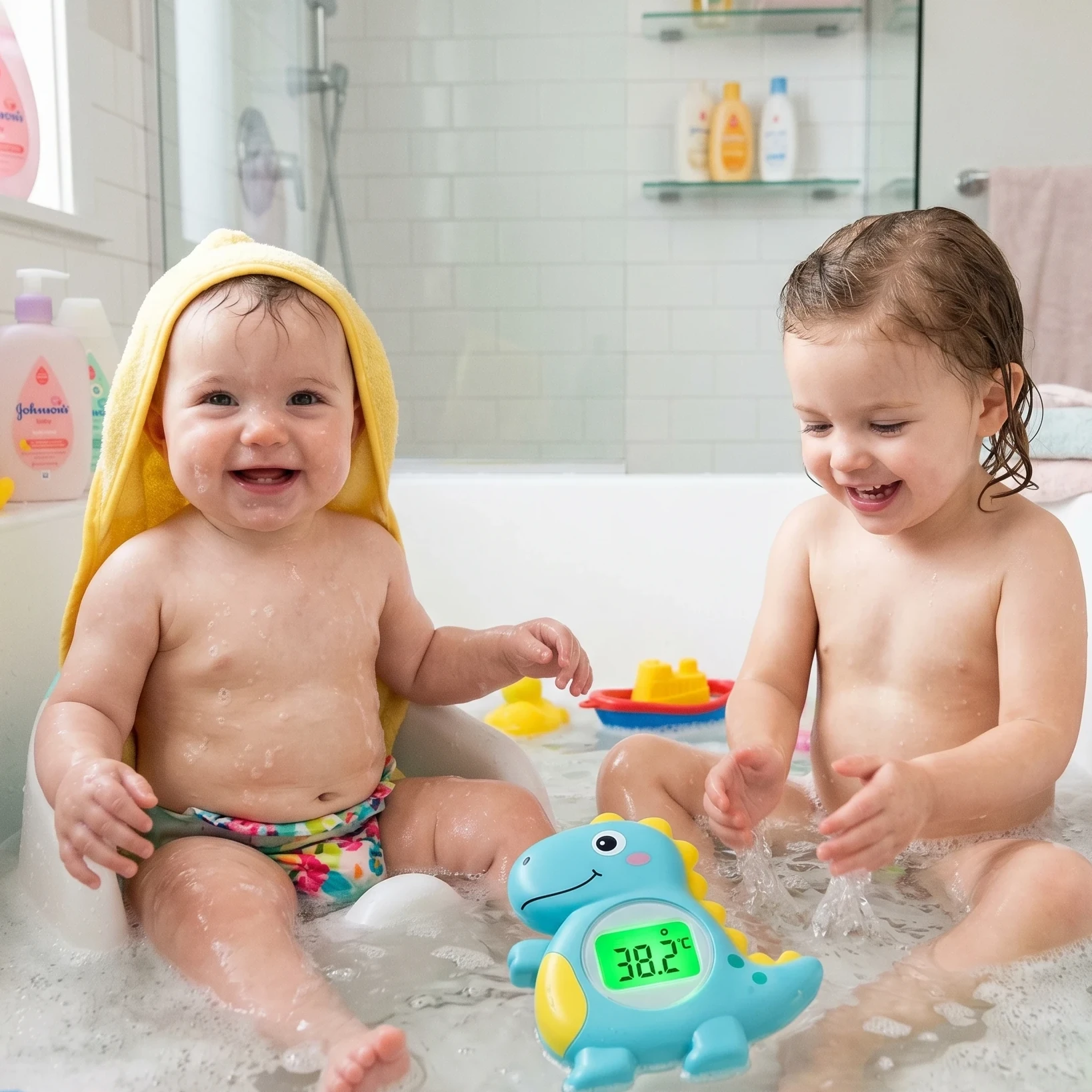
Another hot topic is whether you can use the same thermometer for different purposes, like checking fever and bath water. The simple answer? Stick to dedicated devices for specific tasks. Your trusty forehead thermometer isn’t meant to double as a bath thermometer—specialized tools are designed with specific accuracy ranges to handle each job.
Ultimately, knowing how and when to use each thermometer type sets you up for more accurate readings and less stress about wondering if it’s really ‘that hot,’ or if it’s time to call the doc. So embrace those user manuals—they’ve got more answers than you’d think!
Recommendations from Health Experts and User Reviews
Finding the best thermometer is like finding the perfect sweater—it must fit just right for your needs. Paediatrician’s often recommend digital rectal thermometers for the most accurate readings, especially in infants. They’re the gold standard in the field, giving you peace of mind when temperatures rise.
Online, you might stumble upon a treasure trove of user reviews. Parents love raving about those infrared forehead thermometers for their ease, especially during the middle-of-the-night temperature checks when waking the baby is the last thing you want. These can be a lifesaver, providing quick readings with a simple scan.
Don’t just take my word for it; browse through social media and you’ll find commonalities in feedback. The ease of use, speed, and accuracy are high up on their checklist. However, a common complaint is the inconsistency of readings with budget-friendly options, so balancing cost and reliability is something to think about.
Finding a reliable thermometer that doesn’t break the bank involves balancing user reviews and expert advice. Look for those consistently praised for reliability and accuracy without costing an arm and a leg. Trust in user experiences and recommendations from health professionals to guide you to the right pick for your family’s needs.
Conclusion: Final Guidelines for Parents
Finding the right thermometer for your little one isn’t just about picking a device; it’s about getting something that backs you up every time your baby’s feeling off. Think about accuracy, ease of use, and how quickly you need those results. After all, peace of mind comes when you trust the information your thermometer gives you.
Remember to keep your thermometer clean and stored correctly to maintain its accuracy and functionality. Following the user manual’s guidelines and tips doesn’t just protect your investment—it ensures the health of your child.
Managing a fever can sometimes be stressful, but armed with the right tools and knowledge, you’re more prepared to handle those inevitable sick days. Keeping up with pediatrician recommendations and user experiences can provide invaluable insights into any new tools on the market.
In the ever-evolving world of child care gadgets, staying informed is your best bet for choosing useful and reliable tools. While it’s easy to get overwhelmed with choices, focusing on what works best for your family helps bring that calm assurance we all crave as parents.

This was a really helpful and informative Q&A, especially for parents who want to make sure they’re using the right thermometer for their baby. There are so many options out there, and it can honestly feel a bit overwhelming.
I liked how you broke things down in a simple way, making it easier to understand which types are best for different situations. It definitely helps build confidence when choosing something so important.
In your experience, which type of thermometer tends to be the most accurate and easiest to use for everyday checks at home?
Thank you — I’m really glad you found the comparison helpful. With so many thermometer options out there now, it definitely gets overwhelming, and most parents just want something that’s quick, accurate, and easy to use when their little one isn’t feeling well.
In terms of everyday use at home, digital rectal thermometers are generally the most accurate for babies, simply because they measure core temperature more directly. That’s why many parents rely on them when they really need a dependable reading. But for quick checks throughout the day or night, a forehead (non‑contact) thermometer can be perfectly useful as long as you understand that the readings can vary a bit depending on distance, angle, and even room temperature.
A lot of families end up using a combination:
Forehead thermometer for fast “is everything okay?” checksTraditional digital thermometer to confirm a fever when accuracy matters
It gives you the best of both worlds — convenience and reliability — without relying on just one method. And if a child ever seems unwell or symptoms are worrying, checking in with a healthcare professional is always the safest next step.
It’s honestly crazy how many different thermometers parents have to choose from now. I remember using those old glass ones as a kid, and now there are forehead scanners, ear thermometers, smart apps, and even bath thermometers. I do agree that convenience matters, especially at night when a baby is sleeping, but accuracy is still the biggest thing for me. A quick forehead check is nice, but if the reading seems high, I’d probably double check with a regular digital thermometer just to be safe. The part about keeping thermometers clean is important too because a lot of people forget that step completely.
Thank you for sharing your thoughts! It really is amazing how much thermometers have evolved over the years. With so many options available today, it can sometimes feel overwhelming for parents trying to choose the right one for their family.
We completely agree that while convenience is a huge benefit—especially during those late-night temperature checks when you don’t want to disturb a sleeping baby—accuracy should always be the priority. Using a forehead thermometer for a quick initial reading and then confirming with a digital thermometer if something seems unusual is a sensible approach that many parents find reassuring.
You also make an excellent point about cleaning thermometers. It’s one of those simple but important steps that can easily be overlooked, yet regular cleaning helps ensure accurate readings and supports good hygiene for the whole family.
Thank you again for taking the time to contribute to the discussion. Comments like yours help other parents feel more informed and confident when making decisions about their child’s health and wellbeing.