
Noticing a fever in your little one can be kind of nerve-wracking, especially if you’re not exactly sure what it means. A fever itself isn’t actually an illness. It’s more like a flare signal from your child’s immune system that something’s up. When the body temperature goes over the normal range, it often means the body is fighting off some sort of infection. It’s good to know this because it can prevent unnecessary panic.
Now, when it comes to causes, there’s a whole checklist of usual suspects. You’ve got the typical culprits like viral infections (think colds and flues) and bacterial infections (like those pesky ear infections). Remember, sometimes teething might also get that temp up a bit, but it doesn’t really cause super high fevers.
Recognizing when to give your doctor a ring is big. A general rule of thumb: If your baby’s under three months old and showing feverish signs, that’s a straight-to-the-doc situation. For older babies, a fever over 102°F or any signs like rashes, unusually quiet behavior, or difficulty breathing means it’s time to get some advice from pros.
Let’s also clear up a few fever myths, shall we? Like, fevers don’t usually cause brain damage unless they reach extreme temps above 107°F, which are super rare with normal illnesses. And giving a child a cool bath or rubbing alcohol isn’t the way to go—these practices can give more harm than help. It’s all about comfy temps and lots of fluids.
Choosing the Right Thermometer: A Parent’s Guide
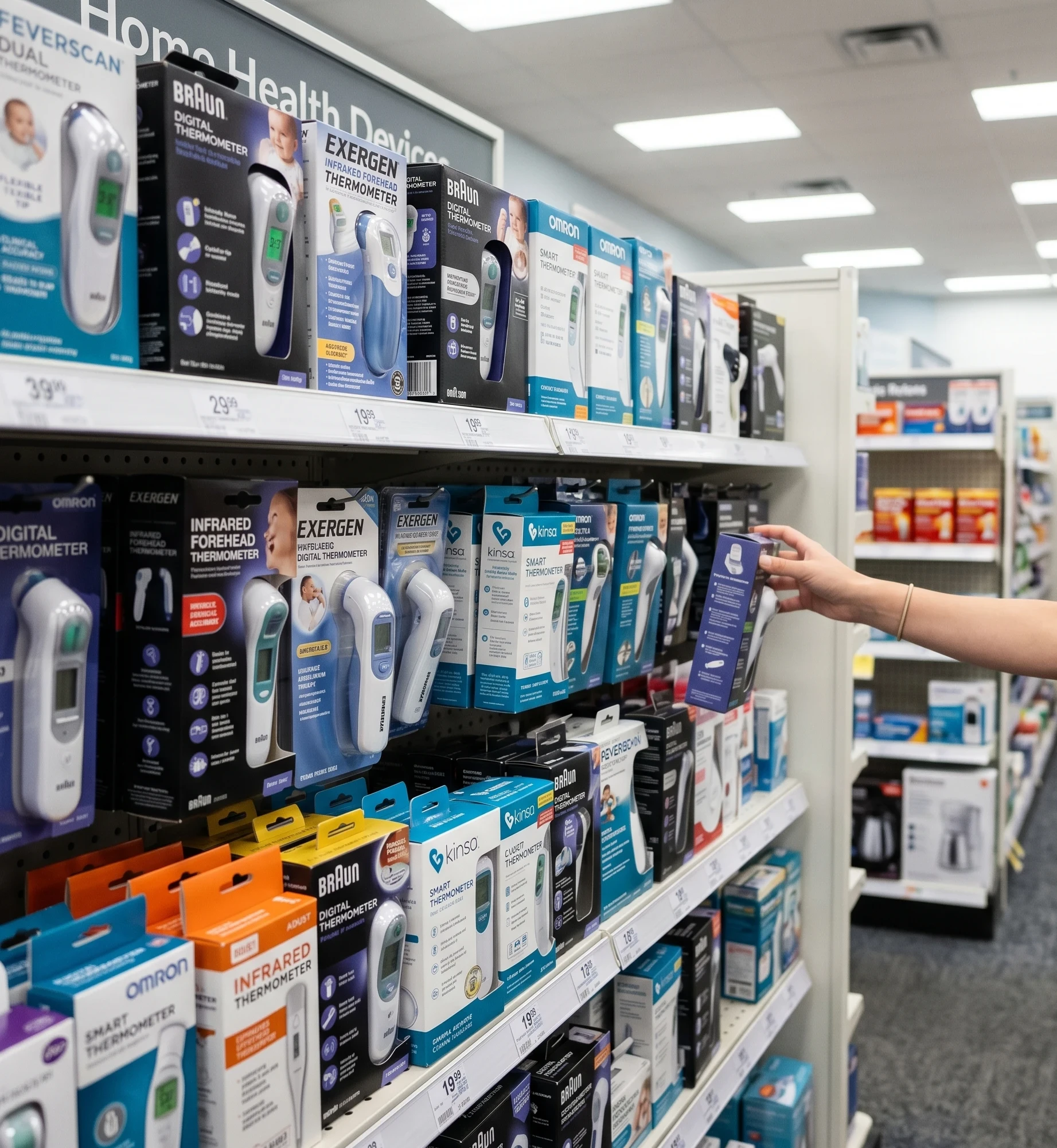
Picking the right thermometer doesn’t have to be a total head-scratcher. With a bunch of options out there, it’s helpful to know what might work best for your family. Digital thermometers are pretty popular for good reasons—they’re fast, straightforward, and offer easy-to-read numbers. They’re usually the go-to for under-the-tongue, rectal, or underarm readings.
Ear thermometers, or tympanic ones, can seem fancy and are great for toddlers who won’t stay still, but they’re not perfect for little babies under six months. Forehead thermometers, or temporal artery thermometers, might feel like a magic wand for squirmy kiddos, but they can be a bit pricier and need correct positioning to avoid wacky readings.
If you’re on a budget, remember you don’t have to splurge to get something reliable. Basic digital ones usually do the job without making your wallet cry. Make sure to pick a thermometer that’s appropriate for your kiddo’s age—totally crucial for accuracy.
Checking product reviews and doing a little research can go a long way. The idea is not just about choosing what’s cheapest or what worked for your neighbor, but finding what fits your parenting groove. Whatever thermometer you choose, make sure it meets safety standards and has clear instructions.
Safe and Correct Usage of Thermometers
Using a thermometer the right way ensures you get readings you can trust. Each type of thermometer has its own vibe, so it’s important to follow the how-to instructions that come with yours. Let’s break this down so there’s no need for guesswork.
For ear and forehead thermometers, make sure the probe is clean before each use to avoid contamination. With the ear ones, a gentle tug on the ear will help straightening the ear canal for a more accurate shot—just be sure to aim the probe at the eardrum. Forehead thermometers are super handy, but keep it smooth when you’re swiping it across the forehead for the magic numbers.
Digital thermometers used rectally offer some of the best accuracy for infants. Yep, it might not be pleasant, but it’s effective. Always a good idea to have a separate thermometer for this, clearly marked for its purpose. A dab of petroleum jelly can help with comfort. For under-the-tongue readings, remind your little one to keep their lips shut, and underarm readings can work as a quick check, but results might be a tad lower, so double-checking with another method when it reads high helps.
And hey, let’s not skimp on hygiene. Clean the thermometer with alcohol wipes or rinse it under cool water after each use. This keeps things safe and prevents the spread of germs. Store it in a case or cover when not in use to protect it from damage and dust.
Ensuring Reliable and Accurate Temperature Readings
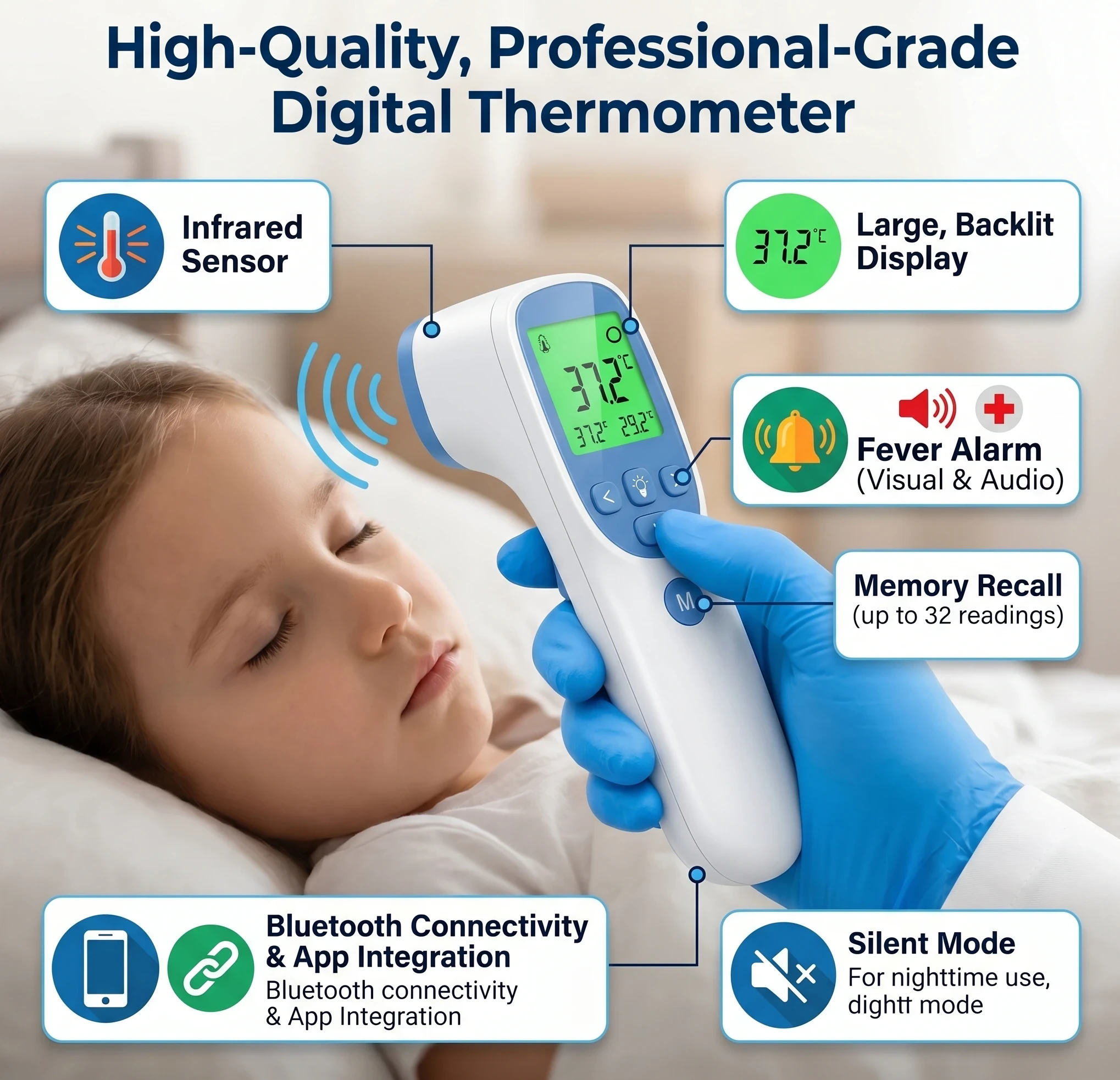
Getting those temp readings spot-on matters big time since they’re your first hint if your kid’s fighting something. Accuracy starts with checking that device itself. A simple way is to test it on different spots, like you can calibrate some by comparing its results with a medical-grade thermometer or testing it against boiling and freezing points.
If the reading feels off, a quick clean might be in order. An unclean probe can totally throw things off. Check the battery too – a low one can make the numbers wonky. When things still don’t add up even after these quick fixes, it’s not a bad idea to check the manual or see customer reviews for common quirks.
In terms of methods, testing with ice water can help to confirm if a digital one needs a new battery or a replacement. For digital thermometers, placing it in ice water should read 32°F (0°C), unless it’s made for reading other ranges.
Keeping your thermometer in top shape pays off in the long run. Here consistency is key: Clean it regularly, store it safely away from extreme temps, and turn it off if it’s not the auto-off kind. It’s like the occasional car service, but way less taxing!
Interpreting and Acting on Temperature Readings
Understanding what those thermometer numbers actually mean can feel empowering. A reading over 100.4°F usually flags a fever, signaling that your kid’s body is at work fighting something off. However, fever in itself isn’t a bad guy—it’s just a sign that might require a closer look or a comfy setup for your little champ.
It’s crucial to note that not all elevated temps are treated the same way. Something close to 100.4°F, especially with no other symptoms, might just require monitoring and ensuring they stay hydrated. But if you see numbers climbing above 102°F or notice some unusual behavior like lethargy or a rash, that’s when contacting a healthcare professional becomes a smart move.
The next steps after taking that temperature depend on what’s shown. Offering more fluids, adjusting their clothing to something lighter, or maybe a tepid bath can help manage mild fevers. Meanwhile, monitoring becomes key; jot down those numbers and times if you plan to chat with a doctor about concerns.
Remember, those little humans have their temp quirks too. It’s also wise to check for other symptoms, like irritability, abnormal sleep patterns, and shivering, alongside the fever. These can offer a fuller picture of what’s happening. Regular checks and a calm demeanor ensure you’re doing everything right while keeping them comfy and secure.
Home Temperature Monitoring: Best Practices and Tools

Setting up a reliable home temperature monitoring system might seem like overkill but adds peace of mind, ensuring you catch fevers early and react swiftly. Some parents swear by smart thermometers that sync up with apps to log and track temperature trends over time, offering a handy way to share data with your pediatrician if needed.
For more traditional methods, a regular schedule for temperature checks can prove helpful, especially when your child is unwell. Morning and evening can be good benchmarks to notice any changes from their usual baseline.
Wearable temperature monitors are growing popular for kids prone to frequent fevers. These nifty devices constantly keep a check on body temp and alert you to sudden spikes, though they do come with a steeper price tag. These are best used as part of a broader temperature strategy rather than a standalone solution.
When using any monitoring tools, consistency and method are vital. Sticking to the same type or even the same thermometer for tracking offers better accuracy in monitoring trends, as different models might vary slightly in readings.
Integrating temperature checks as part of your routine doesn’t have to be exhaustive—just understanding what’s typical for your kiddo helps spot when things aren’t quite right. A simple logbook can do wonders when trying to spot patterns or keep your healthcare provider informed.
With a little tech, some routine, and an ear to your instincts, managing health at home gets easier. Remember, it’s about creating the right process to act when you need to, while still keeping anxiety levels in check.
I found this article really helpful and reassuring, especially the clear explanation about how to properly measure a baby’s temperature and what counts as a fever. It’s easy for parents to feel anxious when a child feels warm, so having practical guidance on different thermometer types and when to actually be concerned makes a big difference. I also appreciated the reminders about not overreacting to a single reading and focusing on the child’s overall condition. Do you think parents tend to rely too much on forehead thermometers compared to more accurate methods like rectal or digital readings when babies are very young?
You’re so right — it’s completely normal for parents to feel anxious when a baby feels warm, and having clear, practical guidance really does make those moments less stressful. Forehead thermometers are incredibly popular because they’re quick, gentle, and easy to use, especially when you’re trying not to wake a sleeping baby. But because they rely on surface temperature, they can be influenced by things like room temperature, sweat, or even how close the device is held. That’s why the readings sometimes jump around.
For very young babies, many parents do end up relying a bit too heavily on forehead thermometers without realising their limitations. They’re great for fast checks, but they’re not always the most accurate when you truly need to confirm a fever. More traditional methods — like a digital rectal thermometer for infants or an underarm/oral thermometer for older children — tend to give more consistent and reliable readings.
So forehead thermometers are perfectly fine for everyday reassurance, but when accuracy really matters, most parents still double‑check with a more traditional thermometer. And if a baby seems unwell or symptoms are worrying, reaching out to a healthcare professional is always the safest next step.
This was such a helpful and calming read. Fever care can feel overwhelming, especially with little ones who can’t tell you what hurts, and I really appreciated how clearly you explained the different thermometer types and when each one is most accurate. The breakdown of what counts as a “true” fever for babies versus toddlers was especially useful — so many parents get mixed messages about that.
I also loved the emphasis on watching behavior and hydration instead of panicking over every number. That’s the kind of grounded, realistic advice that actually helps parents feel confident instead of anxious. This is definitely a resource I’d share with new parents who want clarity without fear‑based messaging.
Thank you so much for your thoughtful feedback. We’re delighted to hear that you found the article both helpful and reassuring.
You’re absolutely right—fevers can be particularly worrying for parents, especially when babies and young children aren’t able to tell us how they’re feeling. One of our goals was to provide clear, practical information that helps parents understand when to be concerned and when to focus on monitoring and supporting their child’s comfort.
We’re especially pleased that you found the information about thermometer types and age-specific fever ranges useful. With so much information available online, it can sometimes be difficult for parents to know what advice to trust, so we aim to present evidence-based guidance in a way that’s easy to understand and apply.
We also appreciate your comments about focusing on behaviour, hydration, and overall wellbeing. While temperature readings are important, a child’s energy levels, feeding, drinking, and responsiveness can often provide valuable clues about how they’re coping.
Thank you again for taking the time to leave such kind words and for recommending the article to other parents. Supporting families with clear, practical, and reassuring information is at the heart of what we do, and we’re grateful to have you as part of our Baby Boutique community.