
If you’ve ever searched for the perfect way to keep your baby close while still having your hands free, you probably already know how overwhelming the baby carrier world can be. Whether you’re new to parenting or adding another little one to your crew, picking out the right carrier makes a pretty big difference on your day-to-day routine. I’ve spent a ton of time checking out the latest options, talking to other parents, and putting these carriers through real life with my own kids. If you want a comfy, safe, and easy to use carrier for 2026, you’re about to get a really solid guide.
So here’s my breakdown of the best baby carriers for newborns, toddlers, hiking, getting chores done, and everything in between. Scroll for my quick-glance ratings, then I’ll get deep with reviews and tips for using each carrier type.
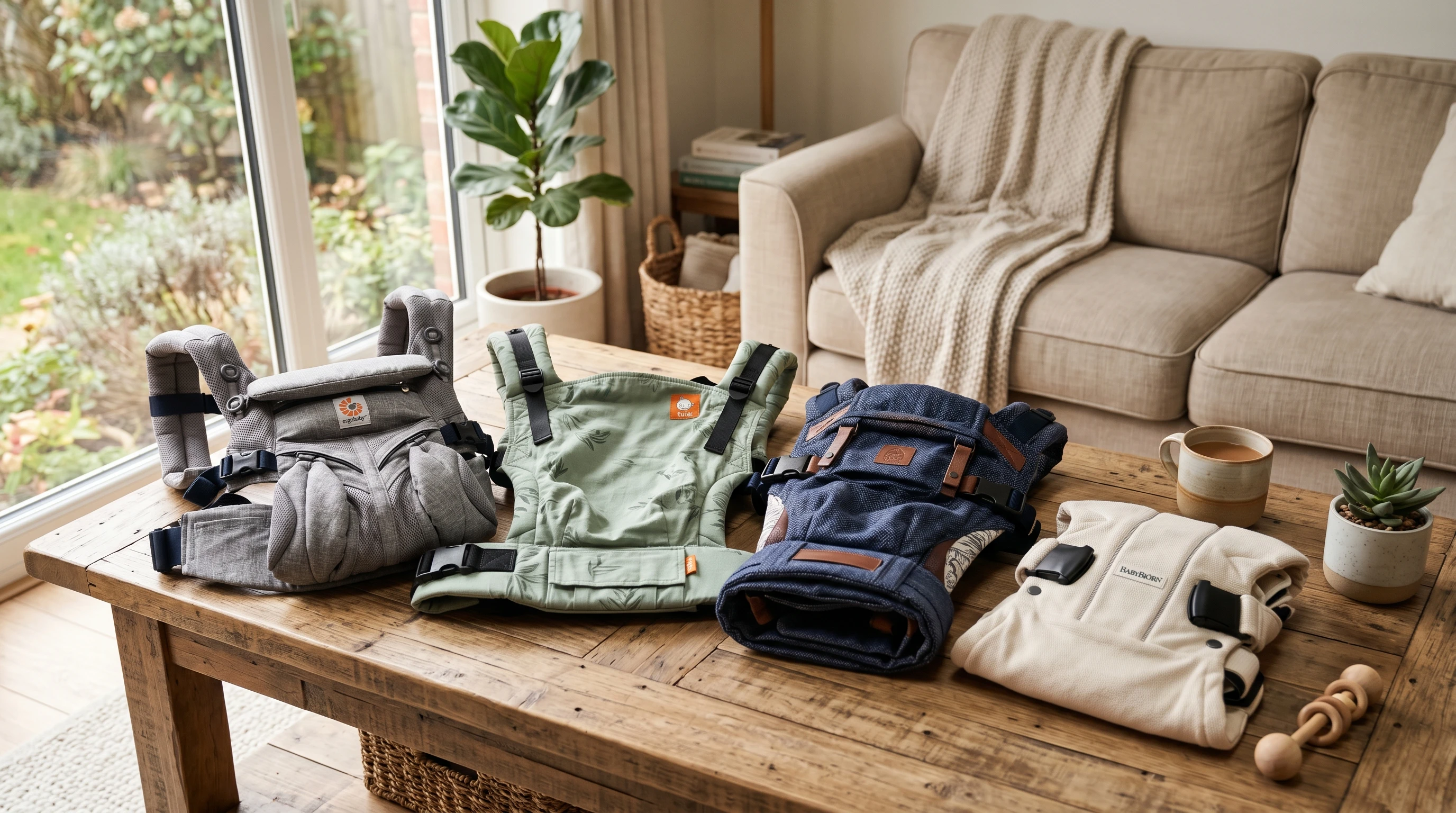
Best Baby Carriers 2026 Snapshot:
- Newborn Favorite: CuddleNest Breeze 2026
- Toddler Pick: Tula Explore AirFlow
- Active Parent Go-To: LÍLLÉbaby Elevate 2.0
- Support Champion: Ergobaby Omni Pro CoolMesh
- Sustainable Choice: NaturaCarry Hemp Wrap
- Easy On/Off: Infantino QuickSnap Deluxe
- Colugo: The Baby Carrier
- https://www.anrdoezrs.net/click-101754238-15859793
Why Baby Carriers Matter (and Why I Swear By Mine)
There’s just something special about having your little one close to your heart while you move through daily life. Using a baby carrier got me through those chaotic early days; grocery runs, naps on the go, and even hiking up a trail with the whole family. Carriers do more than free up your hands. Here’s what I noticed right away:
- Babies settle faster and cry less when they’re held close.
- Getting things done is way easier with your hands free.
- It reduces strain on your arms and back compared to hauling a car seat or always holding your baby.
- Carriers give your baby a cozy, safe spot for bonding and exploring the world.
- Lots of options are flexible enough for both newborn snuggles and active toddler adventures.
Trending Baby Carrier Styles for 2026
Babywearing has gotten a big upgrade lately, with lots of cool features making parenting a little less overwhelming. Here’s the carrier styles everyone’s buzzing about in 2026:
- Airy Mesh Carriers: Carriers with layers of mesh are everywhere this year. They help keep both you and your baby cool whether you’re walking downtown or hiking in summer.
- Wrap Hybrids: You get the soft, stretchy feel of a wrap, just easier to put on, with snaps or loops for quick fitting. Parents love not fighting with endless fabric.
- Ergonomic Hip Carriers: These sit the baby on your hip with extra padding. They’re back due to their natural hold and comfort for older babies and toddlers.
- Sustainable Fabrics: Brands use hemp, bamboo, and recycled polyester, focusing on ecofriendly materials that still feel soft for your baby.
- Multifunction Carriers: Convert from front facing to back carry and hip carry in seconds, covering all ages from newborn to preschool.
- https://www.anrdoezrs.net/click-101754238-15859793
How to Choose the Right Baby Carrier for Your Family
Sorting through all the options can feel kind of like picking a stroller; so many tiny differences, but those details actually matter day to day. Here are my top things to look for (and what I wish I’d known before my first round of baby conveyance):
- Your Baby’s Age and Weight: Some carriers are made for the newborn stage; others are best for older babies or toddlers. Look for clear weight limits.
- Your Main Activities: If you love hiking or running errands, pick a carrier that fits your lifestyle. Soft wraps are cozy indoors, while structured carriers are great for outings.
- Who’s Using It: If you and your partner both plan to wear your baby, adjustability matters a lot. Try carriers that can switch sizes in seconds.
- Ease of Use: You want to be able to put it on and off solo, especially if you’re juggling naps or getting out the door quickly. No one needs more parenting struggles. Fast buckles and clear markings help a lot.
- Support for Parent and Baby: Look for wide, padded straps and a waist belt to save your back. For your baby, a deep seat that won’t pinch their legs (sometimes called the ‘M’ position) is really important for their hips.
- Cleaning: Anything your baby hangs out in should be easy to wash. Machine washing is super helpful.
- Budget: Top brands have entry level carriers, and you can find good options in every price range, no need to go wild if you’re just starting out.
How to Wear Your Baby Carrier Safely: My Step-By-Step
Once you have your carrier, wearing it the right way is super important for safety and comfort. Here’s my easy checklist:
- Read the Manual: It sounds boring, but every carrier really does have its own adjustments and quirks. Set aside 10 minutes before you try it with your baby.
- Test Without Your Baby First: Practice on a doll, or just by yourself. Adjust everything before adding your actual child to the mix.
- Make Sure Your Baby’s Face is Visible: Never let fabric cover your baby’s nose or mouth. I always make sure I can see my child’s face without tilting their head.
- Baby’s Chin Shouldn’t Rest on Their Chest: Keep a finger of space between their chin and chest to ensure their airway is open.
- Carrier is Snug, Not Tight: The carrier should feel like a gentle hug, secure enough to support your baby, but not squishing them uncomfortably.
- Babies Legs in “M” or Froggy Position: Knees should be higher than their bottom, thighs supported, and legs spread comfortably around your torso.
- Keep Carrier High and Tight: Baby’s head should be close enough to kiss from your normal standing position.
- Double-check All Buckles and Straps: Safety clips should be snapped with a click before each wear.
If you’re not sure, there are tons of babywearing tutorials on YouTube, plus community groups where you can get hands-on help. Don’t be shy about reaching out, there’s always someone happy to make sure you feel confident.
Top Baby Carrier Brands 2026 (My Personal Shortlist)
Some brands just keep earning rave reviews for quality, customer service, and creative features. Here are the ones my friends and I keep coming back to:
- Ergobaby – Consistently upgrades for lighter, airier carriers with tons of thoughtful extras.
- LÍLLÉbaby – Known for their adjustable lumbar support, they make carriers that work for bigger kids too.
- Baby Tula – Trendy prints and soft, cozy fabrics; their toddler models are especially popular.
- Boba – Famous for soft wraps that are easy for beginners and super gentle for new babies.
- Infantino – Budget friendly, with smart buckles and widely available online and in stores.
- NaturaCarry – Breaking ground with ecofriendly options made from hemp and bamboo.
- Colugo- The baby Carrier
- https://www.anrdoezrs.net/click-101754238-15859793
Still, a new carrier company pops up every year with something clever, so it’s worth checking user reviews and online parenting groups for what’s trending nearby.
Baby Carrier Safety Tips You Shouldn’t Skip
- Inspect Regularly: Check for rips, weak stitching, or broken buckles.
- Follow Weight Guidelines: Don’t use a carrier outside the manufacturer’s listed weight range.
- Keep Baby Facing You Until About 6 Months: Tiny babies do best facing in, with full head support.
- Keep Loose Items Away: Avoid scarves or anything that could end up over your baby’s face.
- Keep Baby Cool: Watch for signs of overheating. Dress your baby in light layers if you’re using a carrier with thick padding.
- Use for Age Appropriate Activities: Some carriers are great for hiking but not safe for cycling or strenuous exercise. Always check the guidelines.
- Stay Attentive: You should always be able to see your baby’s face and monitor their breathing when using a carrier.
Best Carriers by Scenario: My 2026 Picks
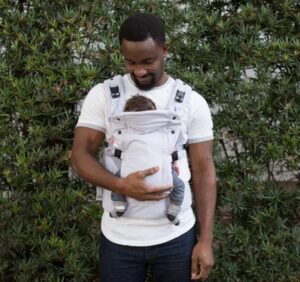
If you’re here for a straight answer, yes, there are some carriers that truly stand out for specific needs. Here’s what I’ve loved (and what’s getting buzz from other parents) in every category you could care about.
Best Baby Carriers for Newborns 2026
- CuddleNest Breeze 2026
For fresh newborns, I need a carrier that’s snuggly but also easy to get on when you’re juggling a tiny, squirmy human. The CuddleNest Breeze uses an innovative mesh knit that stretches to fit, while keeping airflow at its best. There are no buckles, just a system of sewnin loops that work kind of like a wrap, but without endless fabric drama. Features I appreciate:
- Super soft next to brand-new skin
- Easy, intuitive fit, even solo
- Clever adjustable head support (extra key during those sleepy newborn outings)
- Machine washable (because you know there will be spit up)
It’s built for babies 7 to 20 pounds, so it easily takes you through the newborn months. Past the 4 month mark, you might want something with more structure for long walks, but for cozy snugs on the sofa or errands, this is a favourite.
- Boba Bliss Hybrid Wrap
I love a good wrap, and Boba’s Hybrid model makes it way less intimidating. The built-in loops and soft, stretchy fabric are so forgiving, and there’s no extra heat buildup. The support across your back helps so much in those early postpartum days when you’re still healing. Also, their prints are adorable. Good for breastfeeding parents who want to feed on the go.
Best Carriers for Toddlers 2026
Colugo- The Baby Carrier
https://www.anrdoezrs.net/click-101754238-15859793
The Colugo Baby Carrier stands out in 2026 as a lightweight, ergonomic, and highly versatile option for parents. It supports inward, outward, and back carry positions, allowing it to grow with your baby from newborn to toddler — up to 33 lbs .
Parents and reviewers consistently praise its excellent weight distribution, which makes it easier on the back compared to many other carriers . The carrier is also acknowledged as “hip healthy” by the International Hip Dysplasia Institute, supporting proper ergonomic positioning for babies .
Additional standout features include:
- Lightweight design (only 1.5 lbs), making it easy to wear and pack
- UPF 50 sunshade for outdoor protection
- Machine‑washable materials, ideal for busy parents
- Smart storage, including a removable fanny‑pack pouch and a “secret” front pocket for essentials like wipes, keys, or a pacifier
- Magic buckles designed for easy, secure fastening even when you’re on the go
Reviewers also highlight how comfortable it is for a wide range of body types thanks to its adjustable waistband and thoughtful design . Fathercraft’s long‑term testing notes that the Colugo carrier remains “awesome” even after comparing it to newer models, praising its ease of use and real‑world practicality for busy parents
https://www.anrdoezrs.net/click-101754238-15859793
- Baby Tula Explore AirFlow
Toddlers don’t slow down, so you need comfort, adjustability, and gear that can take daily wear. The Tula Explore AirFlow has mesh everywhere but is much softer than it looks. I can get it on in seconds; click at the waist, slip arms through, snap at the back. Adjust the seat width for bigger legs, and you’re set. I especially like:
- Fits babies 7 to 45 pounds (so you can use it from late infancy into big kid territory)
- Coolwearing mesh (huge if you travel or have hot summers)
- Front, inward, outward, and back carry options (it grows with your child)
- Extra lumbar support that makes longer hikes or street festivals bearable
My toddler napped in this carrier on family trips more times than I can count. Worth every penny. The buckle system is also forgiving for shorter or taller parents to swap out quickly.
- LÍLLÉbaby CarryOn Air
If you have a big for their age toddler, Carry On Air is a game changer. It’s roomy, with a tall panel that actually contains their back and shoulders (a huge plus if your child is a runner or a napper). The waistband adjusts from 24” to 52” and holds up to 60 pounds. The breathable mesh in this carrier keeps my back from sweating even on active days at the zoo or playgrounds.
Best Baby Carriers for Active Parents (Hiking/Outdoors)
- LÍLLÉbaby Elevate 2.0
If you want one carrier for newborns all the way to preschoolers and you love hiking (or just being on the go a lot), this is a gear upgrade. The Elevate 2.0 is built with reinforced mesh, a water resistant exterior, and extra lumbar padding you can actually feel. Features I can’t live without:
- Front, hip, and back carry approved (all safe from 7 to 55 pounds)
- Secure, easy to access stash pocket for phone and keys
- Detachable sun hood for bright days
- Hook and loop adjustment straps for easy tweaking while wearing
This is my go to for nature walks and big outings. The lumbar panel feels amazing on hills or longer walks. The rugged fabric still washes clean, which is key with snack crumbs and muddy paths. It’s a solid option for parents with wider waists or shoulders, and those who want a carrier they can pass down for years.
- Deuter Kid Comfort Venture
For serious hikers or anyone planning a family vacation with lots of walking, a frame carrier like the Deuter Kid Comfort Venture is still the gold standard. It feels pretty lightweight considering the high weight limit (up to 48 pounds). There’s actual ventilation in the back panel, an adjustable seat, stirrups for tiny legs, and a length adjustable torso for different parent heights. I love that it stands upright on its own, so loading and unloading a bigger toddler isn’t a circus act.
Easiest Baby Carrier to Put On By Yourself
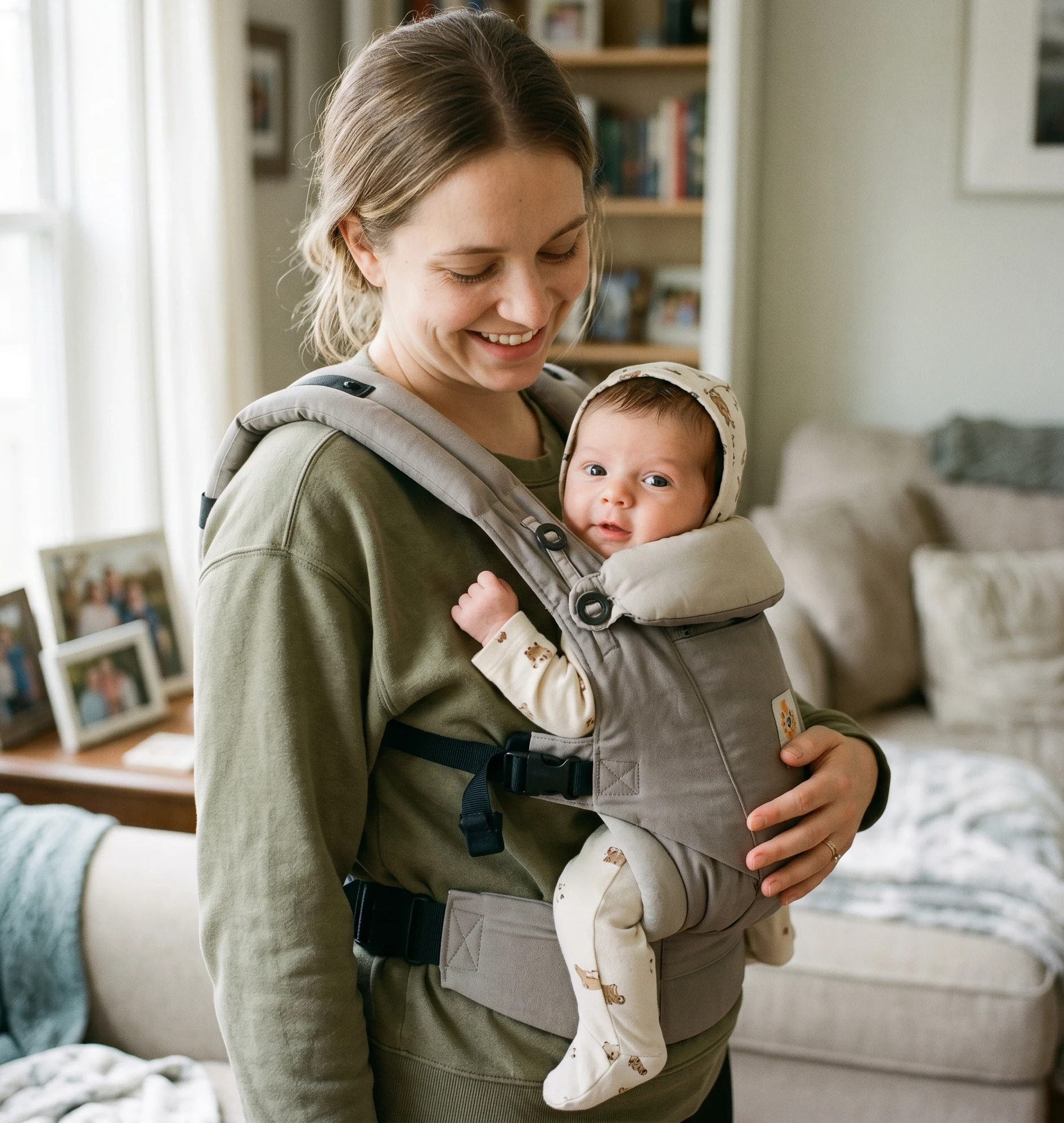
Infantino QuickSnap Deluxe
If you want a “just click and go” carrier with no learning curve, Infantino’s QuickSnap Deluxe is the one most parents recommend. It uses colour coded buckles and wide, padded straps so there’s almost zero room for confusion, even at 6 a.m. with zero coffee. Soft material and padded leg holes keep your baby comfortable. The price point is budget friendly, and it’s adjustable enough for most heights. This is usually what I keep in my car for last minute trips.
- Ancora SwiftWrap Hybrid
I’m partial to this hybrid style for newborns. You place the cross on your chest, pull the straps over your shoulders, and tuck your baby in, done. No tying or guessing. It’s about as easy as wearing a hoodie.
Most Comfortable Carriers for Parent and Baby (No Leg Chafing)
- Colugo- The Baby Carrier
The Colugo Baby Carrier is designed to keep a baby’s legs in the safe, ergonomic “M‑position”, which is the gold standard recommended by paediatric orthopaedists for healthy hip development. This position keeps the baby’s knees higher than their bottom, with legs naturally spread around the caregiver’s torso — a posture shown to reduce the risk of hip dysplasia and support proper joint formation.
Acknowledged as “Hip Healthy”
The Colugo Carrier has been officially acknowledged as a “hip healthy” product by the International Hip Dysplasia Institute, meaning it meets the criteria for proper leg and hip support during babywearing.
Wide, Supportive Seat for Proper Leg Positioning
The carrier’s seat is designed to support the baby from knee to knee, preventing their legs from dangling — a common issue in poorly designed carriers. This helps maintain the natural squat‑spread posture that keeps the hip joint stable and aligned.
Multiple Carry Positions That Maintain Leg Safety
Colugo supports inward‑facing, outward‑facing, and back‑carry positions, all while keeping the legs in a supported, ergonomic posture as the baby grows from newborn to 33 lbs.
No Infant Insert Needed
Because the carrier adjusts as your baby grows, it keeps even very young babies in the correct leg position without needing a bulky insert — reducing the risk of improper hip alignment.
https://www.anrdoezrs.net/click-101754238-15859793
- Ergobaby Omni Pro CoolMesh
If comfort is your top priority, the Omni Pro CoolMesh stands out. It’s loaded with padding in the shoulders, lumbar support, and, most importantly for baby, thick, padded leg openings with a nice deep seat for healthy hip positioning. You can wear inwards, outwards, or on your back, and it has sleep supportive headrests. Their mesh is a hit for keeping cool, and the fabric stands up to heavy washing without pilling or stretching out. Plenty of dads in my parent group prefer this carrier for all day adventures.
- Beco Gemini Air
Another big favourite for joint comfort, Beco’s Gemini Air has padded leg openings and a really natural seat shape. Adjusting the seat width is simple and helps avoid that uncomfortable red mark on baby’s thighs. Parents report that the shoulder straps are less bulky than some other brands, making it less awkward if you’re petite.
Sustainable Baby Carriers: Eco-friendly Choices for 2026
- NaturaCarry Hemp Wrap
This brand is getting a lot of love for its 100% hemp based carriers. The fabric feels lightweight but is actually really supportive, and it gets softer with every wash. Dye free and chemical free, Hemp Wrap works for both newborns and big kids, plus, hemp is naturally antibacterial and wicks away moisture, which I found super useful in humid weather. The simple design reduces waste, and their packaging is all recycled paper.
- Boba X RE:Cycle Series
Boba’s latest RE:Cycle series uses recycled polyester and dyes. They’re Oeko Tex certified, so you know there’s no weird chemicals touching your baby. The design is similar to their fan favourite traditional carrier, easy to use, comfy for longer periods, and good for growing kids from 7 to 45 pounds.
Best Carriers for Getting Baby to Sleep
- Boba Bliss Hybrid Wrap
Sleep can feel like something from another galaxy in those early weeks, but a wrap or soft hybrid like the Boba Bliss is a real nap saver. Babies feel swaddled and supported, so they fall asleep fast. Once you’ve practiced tying or securing the loops, you can transfer your sleeping newborn straight to bed (or your lap) without a fuss. I found these wraps helped reduce startle reflex, letting my babies stay asleep longer even when there was noise around.
- Ergobaby Embrace Soft Air
Another gentle option, the Embrace Soft Air carrier combines light knit fabric with soft structure to help babies settle in. It molds to your body, which makes holding a drowsy baby easy, and the headrest keeps their head from tipping back during the deepest snoozes.
How I Tested and Chose These Carriers

I’ve tried everything from sling style to full structured hiking packs, juggling multiple kids from newborn to preschooler. Here’s what I focused on during my tests:
- Real life scenarios: solo at the store, napping at home, hiking with a toddler, quick errands, house chores
- Comfort for both baby and parent, including after several hours
- Adjustability for different adult body types
- Easy cleaning and no nonsense buckles/adjustments
- Positive reviews from other parents, and feedback from babywearing meetups and community groups
- Durability and safety features (double stitching, secure locks, etc.)
No single carrier is perfect for everyone, but picking the best style for your lifestyle saves a ton of hassle, backaches, and grumpy baby moments down the road.
Common Mistakes and How to Avoid Them
Even the best carriers end up getting tossed aside if they’re not used properly or are just too awkward for your daily needs. Here are a few mistakes I see all the time (and a few I made myself):
- Choosing Something That’s Too Complicated: If it takes you five YouTube videos and endless practice to get the fit right, it’ll probably end up unused in a closet. Start with user friendly options and work up to trickier carriers if you want.
- Using the Wrong Size for Baby’s Weight: Don’t put a newborn in a carrier meant for toddlers, or vice versa. Not every “grow with me” claim lives up to the hype.
- Forgetting About Your Own Comfort: If the straps are cutting into your shoulders or the waist digs into your abdomen, you won’t be able to wear your baby for long. Padded, wide straps are way comfier all around.
- Ignoring Baby’s Position: Carrier seat should support baby from knee to knee while keeping hips and spine in a gentle curve.
- Not Trying Before You Buy: If possible, test a carrier out before purchasing (babywearing groups and some stores offer try before you buy programs).
Frequently Asked Baby Carrier Questions
What’s the difference between a structured carrier, a wrap, and a ring sling?
Structured carriers (like the Ergobaby or Colugo) provide padding, buckles, and a set shape; great for outings, toddlers, and all-day wear. Wraps are long strips of fabric that tie or loop; they’re really soft and fit newborns best, but may have a learning curve. Ring slings use 2 rings to hold a single piece of fabric in place, super compact and quick to use, best for quick carries and short trips.
Are baby carriers safe for hips?
Yes, as long as you choose a carrier that allows a deep “M” seated position (knees higher than bum). Carriers certified by the International Hip Dysplasia Institute are a safe bet. Avoid carriers with a narrow seat or that force baby’s legs to dangle straight down for long stretches.
https://www.anrdoezrs.net/click-101754238-15859793
At what age can I use a baby carrier?
Most wraps and soft structured carriers start at 7 or 8 pounds (right from birth for many newborns). Sturdier hiking carriers usually need your baby to be sitting independently, usually around 6 to 8 months.
Can I breastfeed while using a carrier?
In many cases, yes! Wraps and some soft structured carriers work best, since you can adjust your baby’s position slightly. Always make sure you can see your baby’s face and clear their nose and mouth. Take it slow, and practice at home before trying in public.
How long should I wear my baby each time?
It’s totally up to you and your baby. Some newborns love snuggling in for hours; others will get wiggly after 30 minutes. Listen to your body; if you’re sore or baby is fussing, take breaks. There’s no rule for the “perfect” amount.
Where to Buy and What to Expect Price-Wise
Most of these carriers are widely available online (Amazon, Target, and specialty baby shops). Prices range widely based on brand and features:
- Basic stretchy wraps and buckle carriers: $35 to $80
- Name brand ergonomic carriers: $100 to $200
- High end hiking carriers and organic/sustainable models: $200 to $400
There’s a big second hand market for carriers; local parenting groups are great for gently used gear, which helps you try a few before committing big money.
https://www.anrdoezrs.net/click-101754238-15859793
Final Thoughts and What I’d Suggest If You’re Still Not Sure
If you’re overwhelmed, I totally get it. My best advice is to think about your daily routine; do you need something just for snuggling and household chores, or are you branching out for adventures in the park or across town? Start with one carrier that matches those needs best. If your budget can stretch, two carriers (like a wrap for newborn cuddles and a structured carrier for outings) cover almost everything.
Go easy on yourself as you learn; the first few tries might feel awkward, but babywearing gets easier with practice, and most little ones grow to absolutely love it. The connection and hands freedom are worth figuring out. If you have more questions or want to share your own carrier favourites, feel free to drop a comment or reach out in babywearing groups; I’m always happy to share more real life experiences!
Happy babywearing and good luck on your carrier hunt! If you want first hand feedback or help getting started, I’ve got your back (pun intended, sorry, had to).
Great topic for parents searching for comfort and convenience. Baby carriers can make daily life much easier by keeping your baby close while allowing hands-free movement. I think comfort, safety, and proper support are the most important things to compare before buying one. Which baby carrier feature do you think matters most in 2026, ergonomic support, lightweight design, or easy adjustability?
Hi Monica,
When you look at the top‑selling and most‑recommended baby carriers of 2026, ergonomic support clearly stands out as the most important feature. The leading carriers this year especially the ones consistently topping parent reviews and expert lists all prioritise proper hip‑healthy positioning, strong lumbar support, and all‑day comfort for both baby and caregiver.
Lightweight design and easy adjustability definitely matter, but they’re considered bonuses rather than deal‑breakers. What parents are choosing most in 2026 are carriers that keep their baby in a safe, ergonomic “M‑position” and prevent back or shoulder strain during long wear.
So if you’re deciding between the three, ergonomic support is the feature that makes the biggest difference in “real- world use”, and it’s the reason the best-selling carriers this year are leading the market.
I hope this answer helps you, thank you for taking the time to read my article, I love hearing from my readers.
Kahli@ Baby-Boutique
Loved this article! Thank-you for taking the time to research and share such a thorough breakdown of the top baby carriers your insight make it so much easier to choose something safe -comfortable and practical I looked forward to reading more articles from you!
Thankyou Kaiyah. I appreciate you taking the time to read my article and offer your thoughtful feedback. Your encouragement mean so much — it’s always rewarding to know the message resonated. Thank you for your message and supporting my work.
This was such a helpful and detailed guide, especially because choosing a baby carrier can feel surprisingly complicated for new parents. I liked how you separated the options by real-life situations, like newborns, toddlers, hiking, quick errands, and comfort. The safety tips were also really important, especially keeping the baby’s face visible, checking buckles, and making sure the legs are in the right position. Which carrier style do you think is easiest for nervous first-time parents to start with?
Thank you so much for your kind feedback! We’re delighted to hear that you found the guide helpful and that the different carrier recommendations made the decision-making process a little easier.
You raise a great question. For many nervous first-time parents, an adjustable soft-structured carrier is often one of the easiest places to start. These carriers typically feature adjustable straps, padded shoulder support, secure buckles, and clear fitting instructions, making them relatively simple to put on and adjust as both parent and baby become more comfortable with babywearing.
While wraps can be wonderfully cosy and are often loved for newborns, some first-time parents initially find the wrapping and tying process a little intimidating. Once mastered, they can be incredibly comfortable, but a structured carrier often provides a little more confidence in the early days because it feels straightforward and secure.
That said, the best carrier is ultimately the one that fits both the parent and baby comfortably and is easy to use correctly. Every family is different, and some parents immediately fall in love with wraps, while others prefer the simplicity of a structured carrier from day one.
No matter which style you choose, taking a little time to practice at home, checking that your baby’s airway remains clear, and ensuring they are supported in a natural “M” position can help build confidence quickly. Most parents are surprised by how natural babywearing feels after just a few uses.
Thank you again for your thoughtful comment and for highlighting the importance of carrier safety. We truly appreciate you being part of the Baby Boutique community and helping encourage other parents who may be navigating these decisions for the first time.
This is a super helpful breakdown, especially for first-time parents. I’m trying to decide if I should buy a carrier that requires an extra newborn insert, or just go with one that adjusts as they grow without any extra pieces. In your testing, did you find that the all-in-one adjustable carriers actually support a tiny newborn well, or is it better to get a dedicated wrap for the early days?
Thank you for your great question! This is something many first-time parents wonder about when choosing their first baby carrier.
Both options can work well, but each has its own advantages. Adjustable all-in-one carriers have improved significantly over the years, and many are specifically designed to safely support newborns from birth without requiring a separate insert. When properly adjusted, they can provide excellent support for a baby’s head, neck, spine, and hips while also offering the convenience of growing with your child.
That said, many parents find that a soft baby wrap is especially comfortable during those early newborn weeks. Wraps tend to mould closely to your baby’s body, creating a snug, womb-like environment that many newborns find soothing. They can also be particularly helpful for skin-to-skin contact and keeping baby close during those early bonding months.
If you’re looking for a single carrier that will last from newborn through toddlerhood, a high-quality adjustable carrier can be a fantastic investment. However, if you expect to do a lot of babywearing in the first few months, many parents enjoy starting with a wrap and then transitioning to a structured carrier as their baby grows.
The most important thing is ensuring that whichever carrier you choose supports your baby’s natural “M” position, keeps their airway clear, and holds them close enough for you to easily see and kiss the top of their head.
Thank you again for your thoughtful question. Every family is different, but the wonderful thing is that both options can provide a safe, comfortable way to keep your little one close while freeing up your hands throughout the day!