
Digital thermometers have become a staple in many households due to their convenience and reliability. They offer quick readings and are often easier to use than traditional mercury thermometers. However, understanding their accuracy is important. Many digital thermometers offer precision within a small margin of error, typically within one degree, making them quite dependable for everyday use. Yet, accuracy can be affected by factors such as battery life and calibration status.
Modern thermometers, whether digital or infrared, often boast impressive accuracy, but this can depend on the model and method of use. Infrared thermometers, for example, measure heat emitted from the body or object surface and can provide quick results without contact, but they need to be used correctly to obtain precise readings. Thus, understanding how these devices work helps ensure dependable results.
Calibration is vital for maintaining thermometer accuracy. Over time, even the best devices can drift from their original settings, leading to incorrect readings. Regular calibration checks help ensure your thermometer remains accurate, and many models offer easy calibration features or require professional recalibration.
There are various methods to test a thermometer’s accuracy at home. For instance, the “ice water method” involves submerging the thermometer in a glass of crushed ice and water to see if it reads 32°F (0°C). Another method is using boiling water and checking if the thermometer reads around 212°F (100°C), depending on your altitude. Following these steps can confirm whether your thermometer needs recalibration or replacement.
Knowing when to replace your thermometer is key in preventing unreliable readings. Signs it might be time for a replacement include physical damage, consistent inaccuracies even after recalibration, or malfunctioning buttons and displays. Regularly evaluating your thermometer can save you from making incorrect health or cooking judgments.
Keeping your thermometer in top shape prolongs its lifespan and ensures accuracy. Regularly clean the probe with gentle soap and water, replace batteries as needed, and store it in a safe, dry place. Establishing a routine check will keep your device ready when you need it most.
Choosing the Right Thermometer for Your Family Needs
 Selecting the ideal thermometer for your family involves considering several factors like accuracy, usability, and features that suit your lifestyle. Whether you’re dealing with a sick child, checking your baby’s bath water, or monitoring cooking temperatures, having the right tool can make all the difference.
For infants and toddlers, it’s crucial to choose a thermometer that offers precision and ease of use. Many parents find forehead or ear thermometers to be reliable due to their quick readings and minimal disturbance to the child. However, always ensure these thermometers are specifically designed or verified for use with young children to avoid inaccuracies.
Contactless thermometers have taken a firm place in family homes, especially during health crises when maintaining hygiene is vital. These allow for quick assessments without physically touching the child and help avoid cross-contamination. Top-rated models often include features like fever alerts, memory storage for previous readings, and even smartphone connectivity.
Infrared thermometers are worth considering for their versatility and speed. They work by reading the infrared heat emitted from a surface or body, providing an instant reading that’s perfect for squirmy kids. While generally accurate, it’s important to follow manufacturer guidelines for proper usage.
Smart thermometer technologies have evolved to include advanced features such as app integration and Bluetooth connectivity. These can be particularly convenient for monitoring trends over time, allowing parents to track and respond to changes in a child’s health more effectively.
When it comes to kitchen use, choosing a thermometer for cooking involves looking at high heat tolerance, fast reading ability, and safety. Options like probe thermometers, which can sit in a pot of food, or instant-read options for speedy checks are often recommended. Babies’ cooking thermometers need to ensure that foods reach safe temperatures to avoid foodborne illnesses.
Home integration is another aspect where thermometers are getting smarter. Some models now work with smart home devices, providing alerts and reminders that make tracking family health a part of daily life. As technology progresses, these integrated solutions offer ease and peace of mind.
Finding the right thermometer ultimately depends on your family’s unique needs, whether it’s keeping a close eye on a young child’s fever, ensuring safety at meal times, or creating an efficient bath time routine. Investing time in understanding your options will lead to better choices for your family’s well-being.
How to Use and Maintain Your Thermometer Effectively
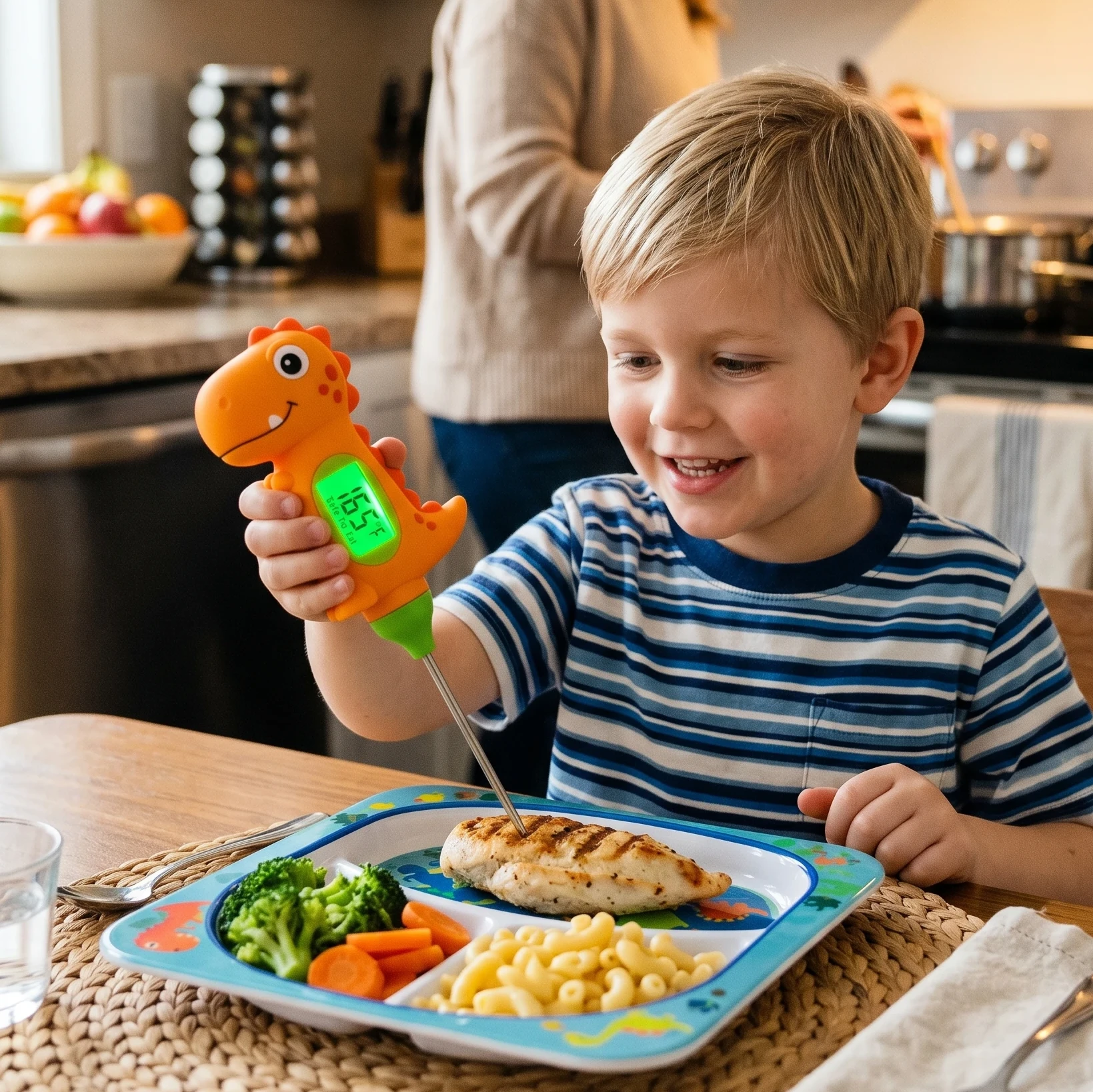
Proper use of your thermometer ensures that you get accurate results every time, which is essential whether you’re checking a fever or gauging cooking temperatures. While each type of thermometer comes with its own set of instructions, there are some general guidelines to follow that can enhance efficacy.
Gladly, most digital and infrared thermometers come with user-friendly interfaces designed to make the process straightforward. For wearable or stick thermometers, it’s often about placing the device correctly and waiting for the appropriate time before reading. Contactless thermometers require you to hold the device a short distance away, pointing it at the forehead or object for a fast and accurate measurement. Following these instructions carefully and consistently will avoid variability in your readings.
Thermometer safety starts with understanding the operating manual and includes checking the thermometer for damage before each use. With digital devices, ensuring the sensor is clean and free of debris or residue ensures accurate readings. Infrared models may require regular lens cleaning with a soft cloth. Safety also involves using the thermometer in appropriate environments, away from extreme temperatures or moisture that could interfere with internal components.
Calibrating your thermometer at home, when possible, can maintain its accuracy and extend its life. Simple methods like using ice or boiling water can recalibrate most thermometers without professional help. However, recognizing signs that professional calibration or eventual replacement is necessary is equally important, especially if readings start to become inconsistent or implausible.
Understanding maintenance basics prolongs a thermomenter’s lifespan. Digital and infrared models need battery checks to ensure they don’t give up on you in crucial moments. Storing your thermometer in its protective case, when not in use, helps avoid accidental damage or contamination, all contributing to its accuracy and reliability.
Incorporating these practices into routine health checks and cooking activities can help maintain accuracy and give you peace of mind. With reliable results and quick operation, you’ll improve the safety and care you’re able to provide, whether monitoring a fever or whipping up a meal.
Thermometers Tailored for Babies and Toddlers

Parenting often starts with having the right tools, and thermometers designed specifically for babies can make a world of difference. Investing in a thermometer that caters to a baby’s sensitivity and adapting it to fit their comfort can ease many concerns. Knowing which thermometer does what helps in selecting the right one for your child’s needs.
Taking a baby’s temperature might seem straightforward, but doing so accurately requires some knowledge. Rectal thermometers are often considered the gold standard for accuracy in infants, though some parents and caregivers may opt for temporal artery thermometers for their ease of use and minimal discomfort.
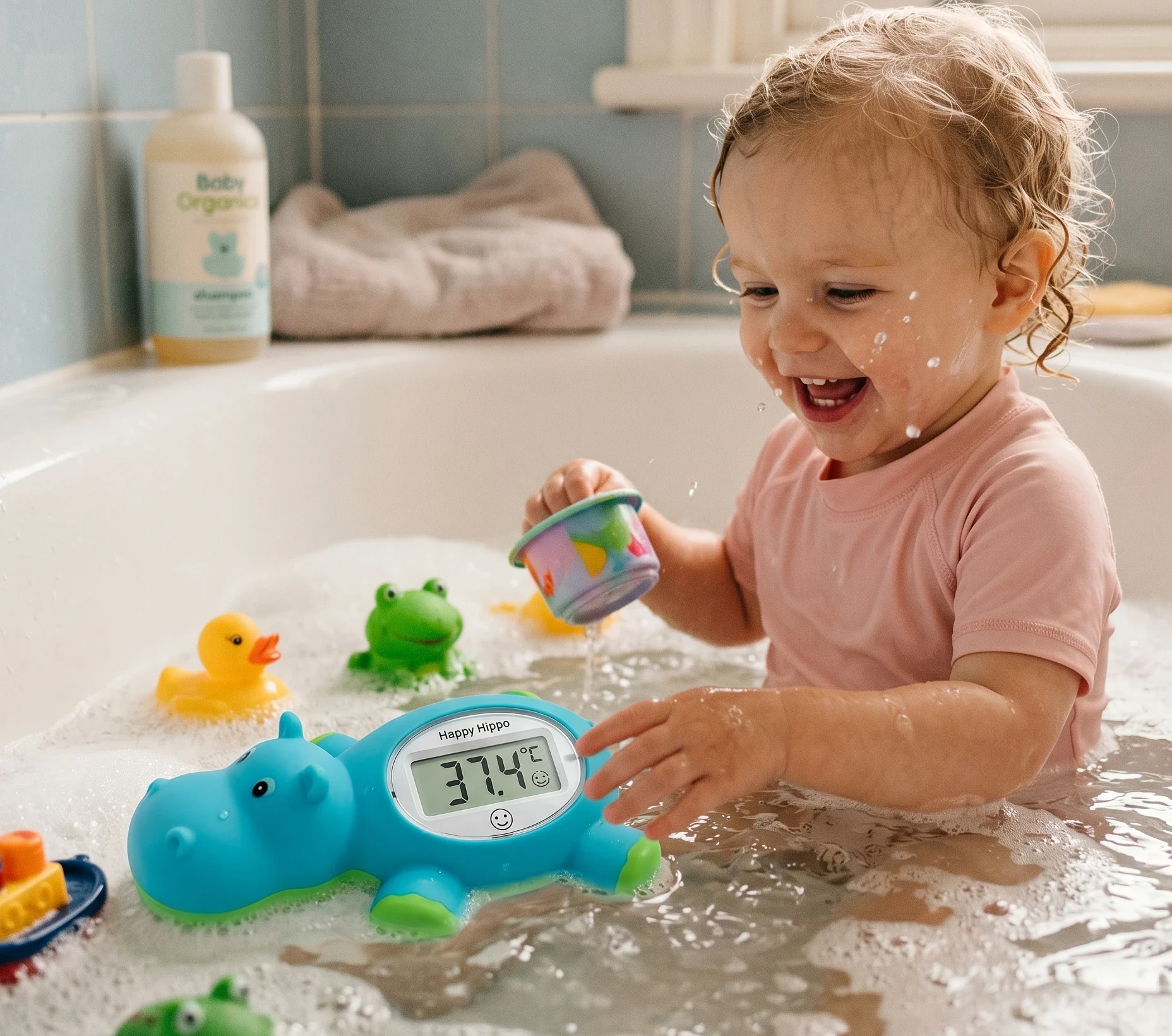
For bathtime, selecting a thermometer that ensures water safety without irritation to baby’s skin is essential. Many baby bath thermometers come with playful designs that not only measure temperature effectively but also entertain. These devices typically float and provide quick readings to ensure the bath is just right.
Managing fevers in young children requires precision and patience. Ear and forehead thermometers offer that precision when properly used. The key is consistency in how you take the temperature, following the device’s specific instructions for the most reliable results.
Parenting tips for fever detection include understanding temperature variations and learning what constitutes a fever for your child’s age. Additionally, knowing what to do after a reading can prevent panic. Helpful steps might involve comfort cooling and consulting healthcare advice, if necessary.
Home temperature monitoring systems can assist in taking routine measurements, alerting you to sudden changes that might need further attention. Integrating these tools into your parenting can provide an early warning system, offering peace of mind and improving care for your little one.
Top Thermometer Recommendations for 2026
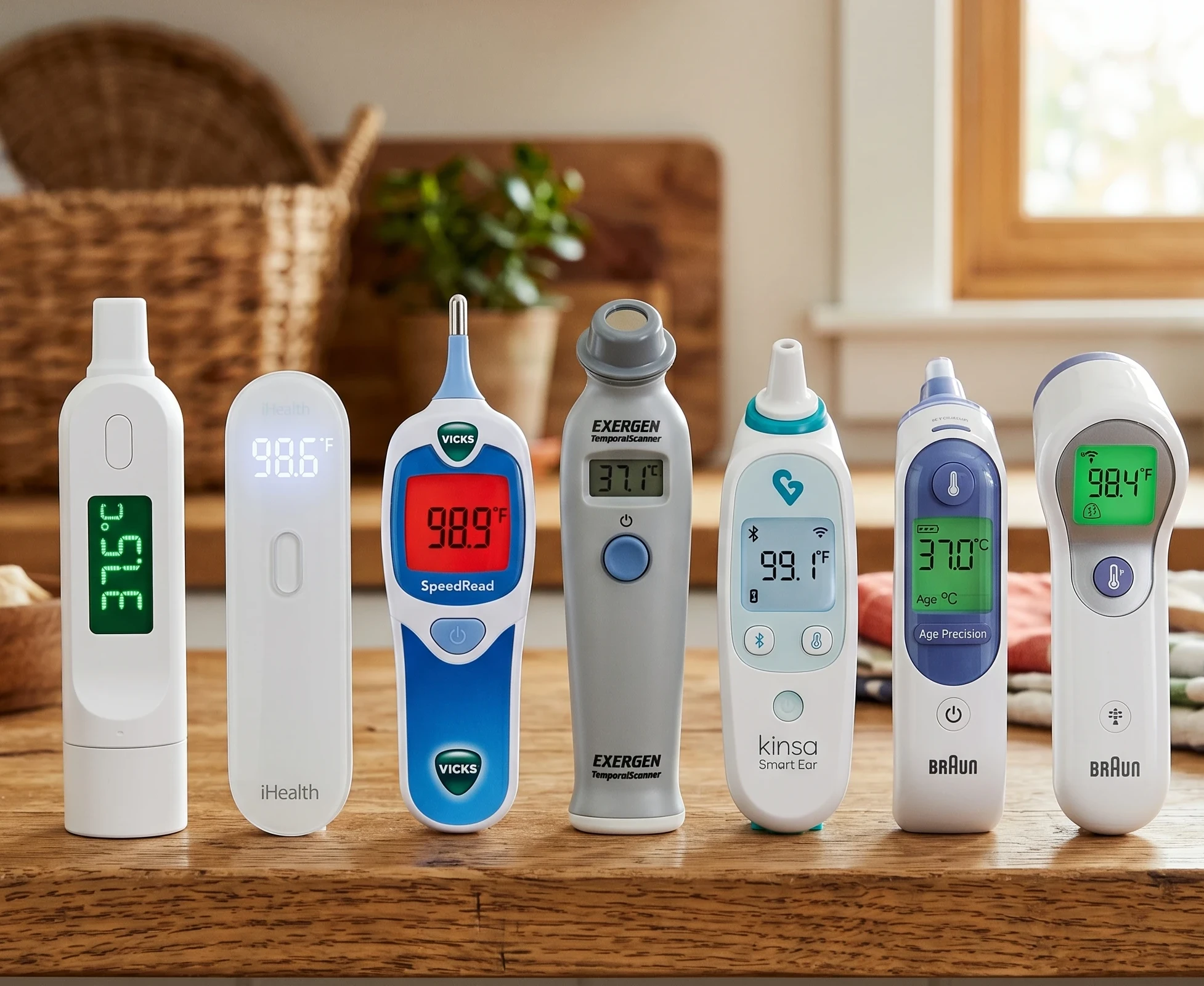
Exploring the best thermometers for your family as we approach 2026 involves looking at the developments and innovative features available in smart devices. These gadgets are more than just household tools now—they’ve become a part of an integrated lifestyle aiming for health and safety.
Smart thermometers are rising in popularity with enhanced connectivity features that allow them to sync with smartphones, providing real-time updates and history tracking. These thermometers are particularly useful for parents monitoring their child’s fever trends, offering insights that can be shared with healthcare providers.
Infrared thermometers remain a top choice for their non-contact technology, making them ideal for families who prioritize hygiene. These devices continue to receive updates in sensor accuracy and response time, setting a new standard for rapid health checks.
For parents seeking comprehensive health management, thermometer options that integrate with broader home systems can be beneficial. These devices can trigger alerts or reminders for scheduled medication or hydration, creating a supportive environment for health management.
Choosing the right thermometer should involve considering where and how frequently you’ll use it. Whether you need it for frequent baby check-ups, checking bath temperatures, or even for safe food preparation, ensuring that the thermometer meets these needs is crucial.
Finding where to purchase accurate thermometers might seem like a challenge with so many options, but sticking to reputable brands and reading reviews from other parents can help guide your decision. Checking for warranties and customer service support can also add an extra layer of confidence in your purchase.
Preparing your home with the right tools in 2026 means investing in devices that not only meet today’s standards but are adaptable for future technological advances. Ultimately, selecting thermometers that fit seamlessly into your lifestyle, offering you accuracy and convenience, contributes significantly to your family’s health and well-being.
Conclusion: The Best Thermometers for Babies’ Fevers, Bath Water, and Food
Choosing the best thermometers for your baby involves a careful look at their versatility and accuracy. When managing fevers, infrared and digital ear or forehead thermometers stand out due to their precision and non-intrusive nature. They provide quick results, reassuring during those stressful moments when your child is under the weather.
For bath time, opt for a thermometer that combines safety and fun. Reliable floating bath thermometers with built-in temperature alerts can ensure the bath water is comfortable and safe. Many come shaped like toys, adding a playful touch to what can otherwise be a challenging daily routine.
In the kitchen, ensuring that food reaches safe temperatures is possible with high-quality digital cooking thermometers. Look for models that offer quick reads and can handle varying ranges, catering specifically to cooking needs for baby food preparation. These thermometers help maintain nutritional quality while ensuring safety from foodborne illnesses.
As technology advances, combining your needs with a multifunctional smart thermometer can greatly enhance your household readiness. Features like smartphone connectivity and health tracking are no longer futuristic dreams but present-day solutions that can make parenting a bit more manageable.
Ultimately, the best thermometer is the one that fits your family’s lifestyle and needs, making care routines less stressful and more efficient. Investing in reliable products that adapt to technological growth ensures your family stays healthy and well-informed.
Choosing the right thermometer for babies isn’t as simple as it seems. I remember trying a couple of different types, and the biggest issue we had was accuracy especially with forehead thermometers giving inconsistent readings depending on how they were used.
We ended up relying more on a digital rectal thermometer for fever checks since it felt more reliable, but for quick checks during the night, a no-touch option was definitely more convenient. Based on your experience, which type do you think offers the best balance between accuracy and ease of use for parents who need quick but dependable readings?
You’re absolutely right choosing a thermometer for babies is surprisingly tricky, and accuracy can vary a lot depending on the type and how it’s used. Forehead thermometers are convenient, especially at night, but they can give inconsistent readings if the angle, distance, or even room temperature changes. That’s a common frustration for many parents.
Rectal digital thermometers are generally considered the most reliable for babies because they measure core temperature more directly, which is why so many families end up trusting them for confirming a fever. But for quick checks, especially when you don’t want to disturb a sleeping baby, a no‑touch or ear thermometer can be really practical as long as it’s used correctly and you understand its limitations.
For most parents, the best balance tends to be a digital rectal thermometer for accuracy and a high‑quality no‑touch or ear thermometer for fast checks. That way you get both reliability and convenience without relying on just one method. If a parent ever has concerns about a baby’s temperature or symptoms, checking in with a healthcare professional is always the safest next step.
I love the idea of the new infrared Thermometers, especially for children as they hate putting foreign things in their mouths or under their arms. I didn’t even think of the hygiene, but this too is a plus point.
I haven’t purchased one yet, but would you say that this type of thermometer is as reliable as the traditional models and would you recommend getting one of these for your family?
Thank you for your comment! You’ve highlighted many of the reasons why infrared thermometers have become so popular with parents. Being able to check a child’s temperature quickly and with minimal disruption can be incredibly helpful, especially when they are sleeping, uncomfortable, or simply don’t want a thermometer placed in their mouth, ear, or under their arm.
In terms of reliability, infrared thermometers can provide accurate readings when used correctly and according to the manufacturer’s instructions. However, factors such as distance, movement, sweat, room temperature, and positioning can sometimes affect the result. For this reason, many healthcare professionals still consider digital thermometers—particularly rectal thermometers for young infants—to be the most accurate method for measuring body temperature.
That said, for everyday use, many families find infrared thermometers to be a convenient and valuable tool. They are fast, easy to use, hygienic, and ideal for quick temperature checks. If an infrared thermometer gives an unusually high reading or a result that doesn’t seem to match how your child is behaving, it’s always a good idea to confirm it with a quality digital thermometer.
Would I recommend one for families? Absolutely. Many parents appreciate having an infrared thermometer for quick checks and keeping a digital thermometer on hand as a backup when they need to confirm a reading. This combination offers both convenience and peace of mind.
Thank you again for your thoughtful question. It’s great to hear from parents who are exploring different options and looking for the best ways to care for their little ones.
A good thermometer really makes a difference when you have a baby at home, especially during late nights when you need quick and accurate readings. We had a forehead thermometer before and sometimes the numbers changed every few minutes, so I can understand why parents still trust digital rectal thermometers more for babies. Do you think smart thermometers with phone apps are actually worth the extra money, or are they more of a convenience thing? Also, how often should parents recalibrate home thermometers to keep them accurate? And for bath thermometers, is there a temperature range that pediatricians usually recommend as the safest for newborns?
Thank you for sharing your experience! You’re absolutely right—when you’re checking a baby’s temperature in the middle of the night, having a thermometer that is both quick and reliable can make all the difference. Forehead thermometers are incredibly convenient, but factors such as movement, sweat, room temperature, and positioning can sometimes affect the readings, which is why many healthcare professionals still consider digital rectal thermometers the most accurate option for infants.
As for smart thermometers, we think they’re more of a convenience feature than a necessity. The ability to track temperature history, receive alerts, and share data with healthcare providers can be helpful, especially if your child is unwell for several days. However, a quality digital thermometer can provide excellent accuracy without the added expense of app connectivity.
Regarding recalibration, most home thermometers don’t require regular recalibration, but it’s always a good idea to follow the manufacturer’s recommendations. If a thermometer has been dropped, damaged, exposed to extreme temperatures, or starts producing inconsistent readings, it may be time to replace it or have it checked.
For bath thermometers, many pediatric experts recommend keeping bath water between 37°C and 38°C (98.6°F to 100.4°F) for newborns and young babies. Water should feel comfortably warm rather than hot, and a bath thermometer can provide extra peace of mind while helping to prevent accidental burns.
Thank you again for your thoughtful questions and for contributing to the conversation. Discussions like these help parents learn from one another and make informed choices for their little ones.