
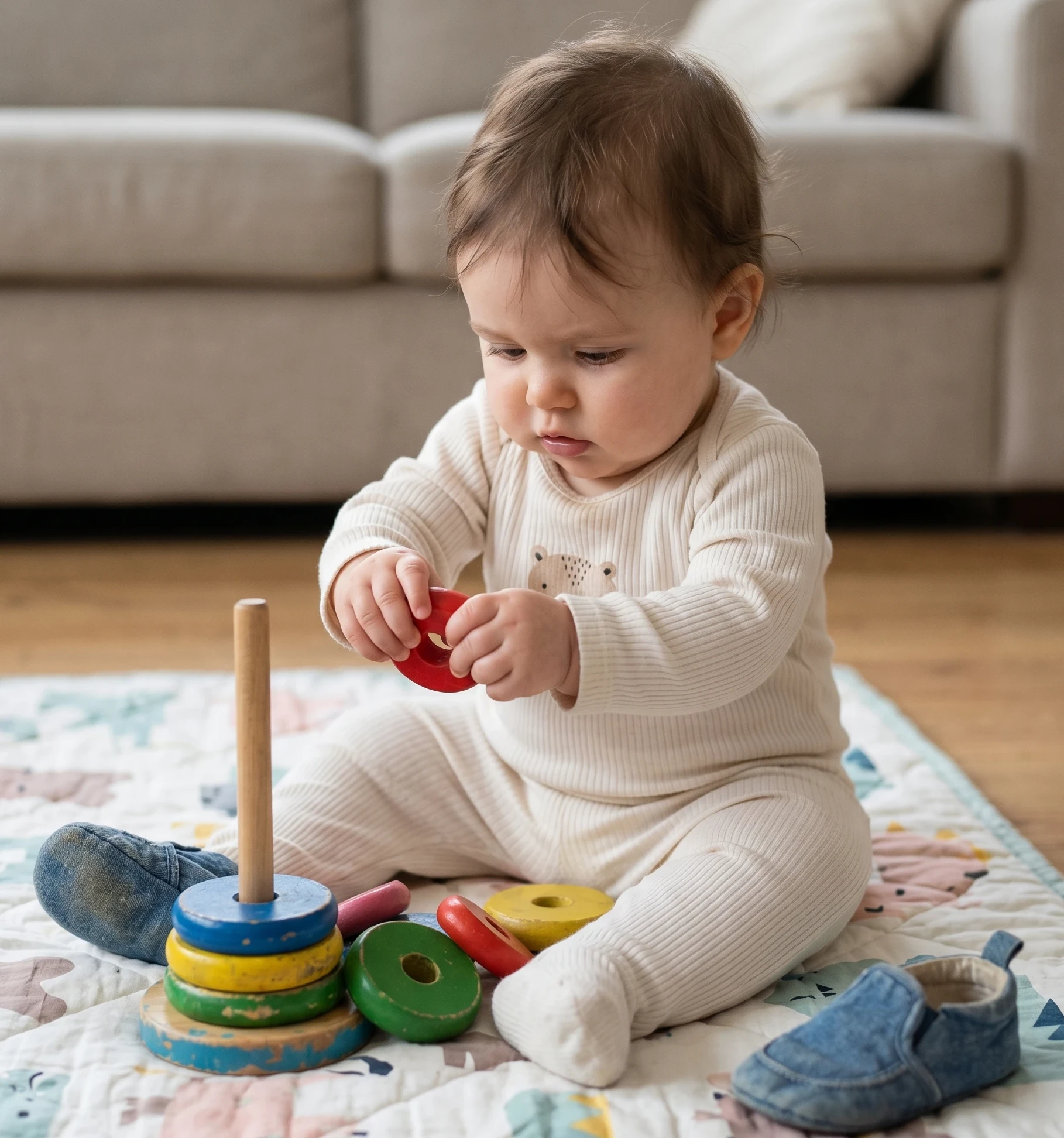
Understanding the basic difference between fine and gross motor skills sets the stage. Fine motor skills involve small movements using fingers, hands, and wrists. Think of actions like grasping a pencil or buttoning a shirt. Gross motor skills, on the other hand, involve larger movements—jumping, running, or even standing up. Recognizing these differences helps track your child’s abilities as they grow.
Tracking developmental milestones can be a helpful way to get a sense of your child’s progress. For instance, around 6 months, many kids try sitting without support, while by age 3, many can kick a ball forward. By age 5, they’re often hopping on one foot. Milestones give insights but remember, every child is unique, and a range can still be normal.
There are moments when checking in with a pediatrician makes sense, especially if something doesn’t feel quite right. No toe-pointing at all by age 2 or an inability to stack blocks by age 3 are examples of red flags according to experts like Dr. Jane Doe, a noted child development specialist. Early assessment can be key in addressing potential issues.
Medical professionals like Dr. Doe emphasize the significance of tuning into these signs early. She suggests observing how your child plays, their coordination, and how they handle objects. Having an open dialogue with your child’s doctor can provide clarity and set them on a path of supportive development, should anything seem off.
Recognizing Signs of Motor Skill Delays: When to Act
Catching subtle signs of motor skill delays early can make a real difference. Kids develop at their own pace, but certain signals might suggest it’s time to pay closer attention. Struggling to hold a toy or make eye contact as they mature might raise flags.
Understanding conditions connected to motor skill delays helps to contextualize what you’re observing. For example, cerebral palsy and developmental coordination disorder often show in the form of significant motor delays. Parents noticing these challenges might consider seeking evaluations for clarity.
Experts consistently highlight the importance of early intervention. It can alter outcomes meaningfully. A child neurologist might suggest beginning therapies even before firm diagnoses, emphasizing skill-building when brains are especially adaptable.
Real-world examples show how recognizing delays promptly can lead to early successes. Statistics underline that with swift action, kids often catch up with their peers or find effective ways to adapt. Consider learning about these stories, as they provide hope and practical guidance.
Consulting resources like the American Academy of Pediatrics offers insight into what’s expected at various ages. Families alongside medical professionals play pivotal roles in identifying and addressing potential delays.
Empowering Children with Disabilities: Tailored Motor Skill Activities
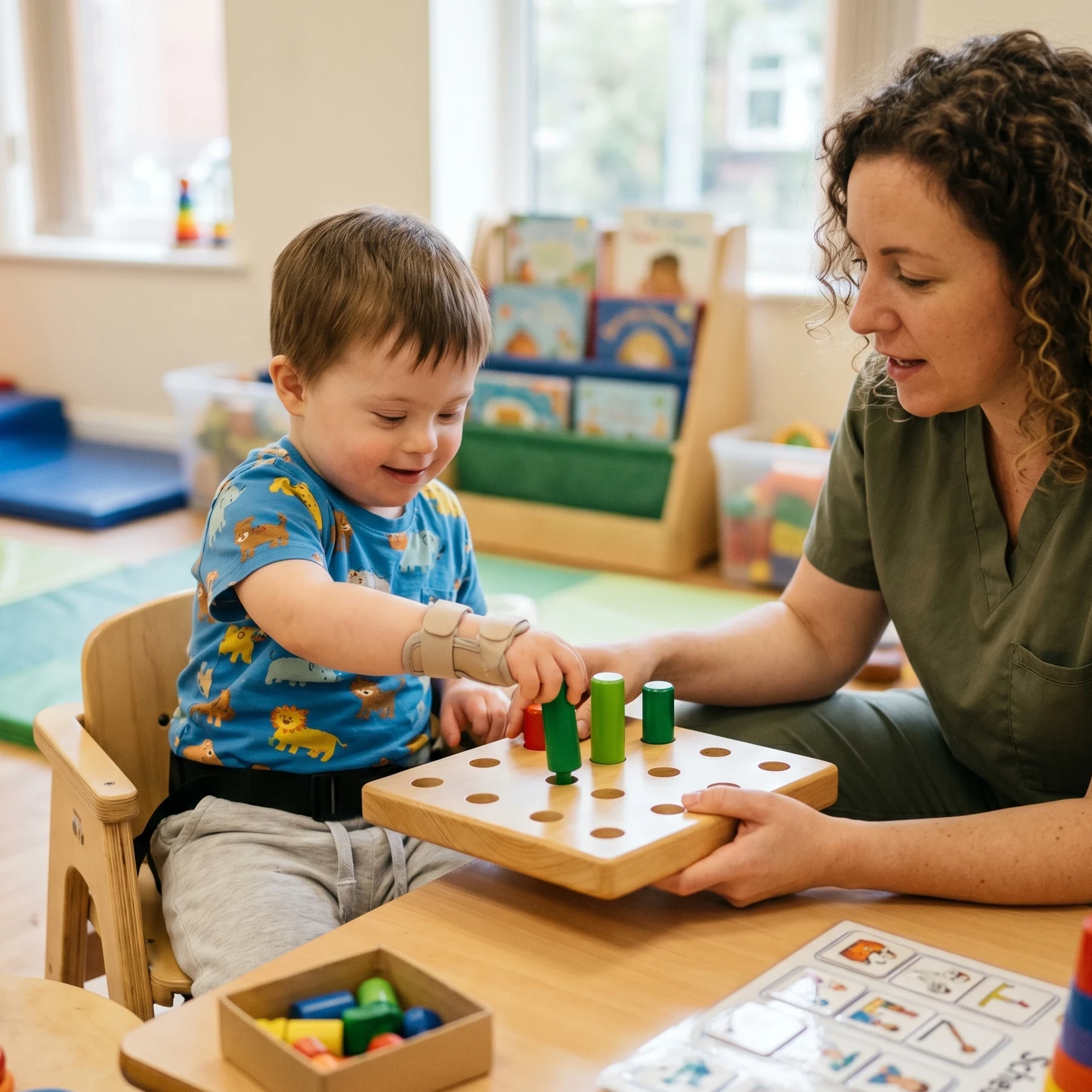
Customizing activities for children with disabilities can help bridge gaps in motor skill development. It’s about creating an environment where each child can thrive on their own terms.
Inclusive play isn’t just beneficial; it’s essential. Occupational therapists often suggest activities that engage multiple senses—water play, tactile boards, or even simple games like Simon Says catered to the child’s abilities.
Research supports the effectiveness of adaptive programs. Studies show children engaging in tailored activities often exhibit improved motor function over time. This includes therapies that meld fun with function, such as dance or adapted physical education classes.
Families don’t have to navigate these waters alone. Various resources offer practical advice and community support. From local support groups to national organizations like Easterseals, tapping into these networks provides tools and encouragement crucial for both child and parents as they embark on their development journey.
Expert Tips for Encouraging Motor Skill Development in Children
Incorporating simple routines into everyday life can significantly boost a child’s motor skills. For example, having them help with setting the table or sorting laundry turns chores into learning opportunities.
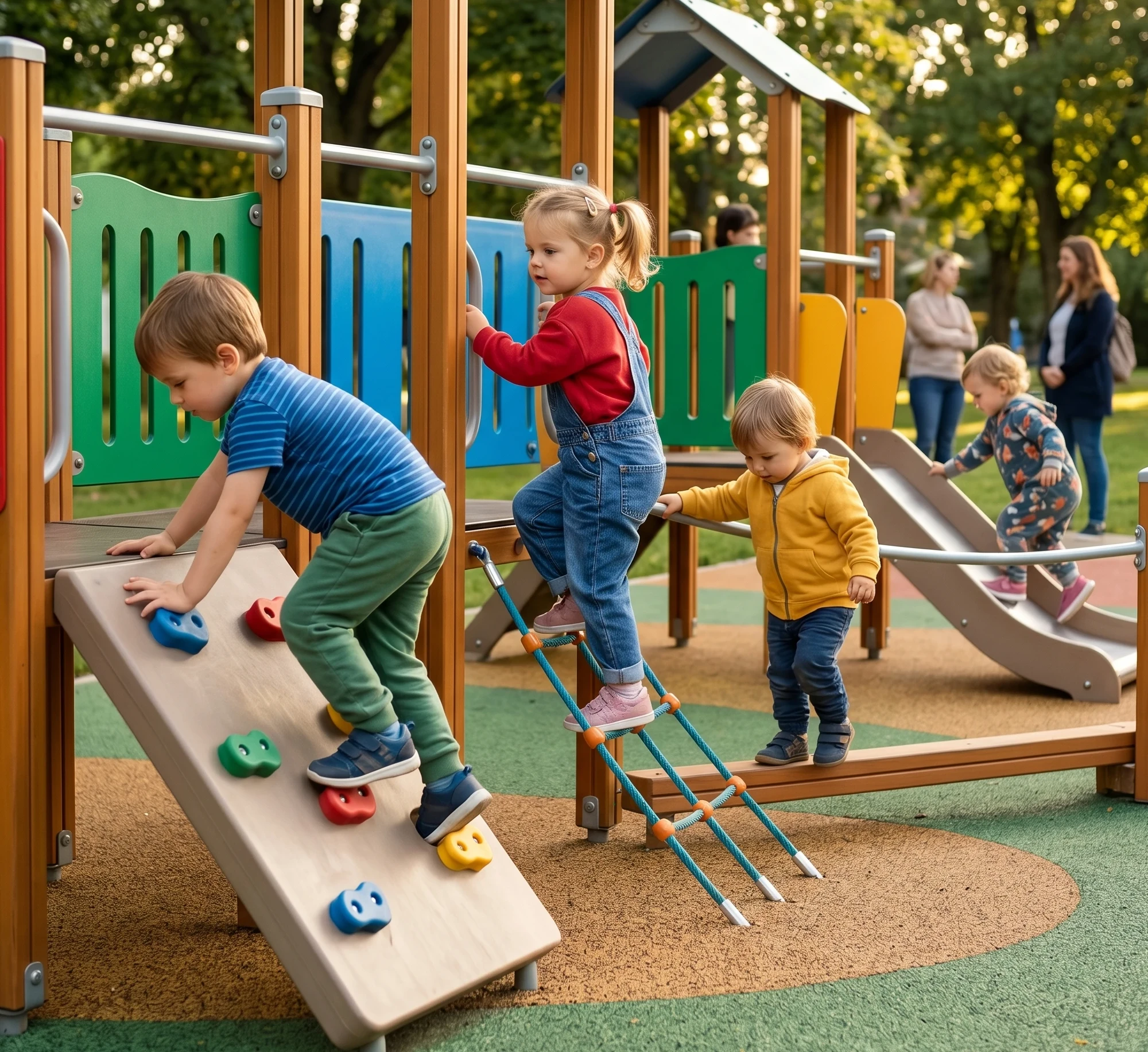
Pediatricians often recommend integrating structured play sessions that encourage running, jumping, and climbing for gross motor skills. Likewise, games like stacking blocks or playing with clay engage the fine motor spectrum.
Balancing screen time with active play is a theme experts stress frequently. While screens can be educational, they shouldn’t replace physical activity. Instead, short, frequent breaks for active play keep energy and imagination flowing.
Renowned pediatricians suggest using techniques that mix guidance with independence. Encouraging kids to explore a playground or even a safe area of your home can lead to valuable motor skill experiences.
Integrating a variety of activities keeps things exciting and benefits different aspects of development. From music and dance to simple physical exercises, varying activities that allow kids to move creatively keeps both their minds and bodies engaged.
Interactive Toys: Enhancing Motor Skill Development Through Play

Choosing the right toys can significantly influence a child’s motor development. Look for toys that encourage movement and coordination — things like building blocks or balls that invite throwing, catching, and kicking.
Recent studies illustrate the positive impact of interactive toys on motor skills. Such toys aren’t just fun; they often improve coordination and timing.
When selecting toys, quality and safety come first. Opt for reputable brands and check age recommendations to ensure the toys are developmentally appropriate and safe for your child.
Insights from child development specialists suggest choosing toys that offer various ways to play. A simple toy like a stackable tower can offer more than one way to engage, helping to refine both gross and fine motor skills.
Combining toys with activities like scavenger hunts or obstacle courses turns play into a comprehensive motor skill workout, enhancing physical engagement while also encouraging creative thinking.
Understanding the Holistic Benefits of Motor Skill Activities
Motor skill activities impact more than just physical development; they contribute to cognitive, social, and emotional growth as well. When children engage in activities that challenge their motor skills, they also learn problem-solving and spatial awareness.
The long-term benefits are substantial. Early advances in motor skills often correlate with later academic success, as these activities enhance concentration, memory, and the ability to follow complex instructions. Encouraging a child to balance or jump engages brain pathways in ways that are foundational for learning.
Parents often report seeing their children’s confidence boost with every new skill mastered. Testimonials from families reveal the joy and pride children express when they conquer something new. This confidence can translate into them being more willing to tackle new challenges across different aspects of life.
Physical activities tied into motor skill development link directly to overall health and well-being. Regular movement reduces the risk of childhood obesity, improves sleep patterns, and increases resilience to stress, setting a foundation for a healthy lifestyle.
In understanding these benefits, it’s clear that encouraging motor skill activities is an investment in a child’s future, promoting a well-rounded development that supports them throughout their life.
This was a very helpful article, and I appreciate how it focuses on helping parents understand whether their child’s motor skill development is on track. The breakdown of milestones and the emphasis on individual differences is especially reassuring, since children often develop at different rates.
One question I had while reading is how parents can clearly distinguish between normal variation in development and early signs that might require professional evaluation. I would also be interested to know what simple daily activities are most effective for encouraging both fine and gross motor skills at home without putting too much pressure on the child. it’s a very informative topic that many parents could benefit from learning more about.
Thank you so much for your kind words and for taking the time to leave such a thoughtful comment. We’re delighted to hear that you found the article helpful and reassuring.
You raise a very important question. While every child develops at their own pace, parents may want to seek professional advice if they notice that their child is consistently missing several milestones, seems to have difficulty using one side of their body, struggles with movements that most children their age can do comfortably, or if there is a noticeable loss of skills they had previously mastered. In many cases, however, what parents are seeing is simply normal variation in development. If there are any concerns, a healthcare professional can provide guidance and peace of mind.
When it comes to encouraging motor skill development at home, some of the most effective activities are often the simplest. For fine motor skills, activities such as drawing, colouring, building with blocks, playing with play dough, turning pages in books, and helping with simple kitchen tasks can be wonderful. For gross motor skills, outdoor play, dancing, climbing, running, ball games, obstacle courses, and even active pretend play can help strengthen coordination, balance, and confidence.
As you mentioned, the key is to keep it fun and pressure-free. Children tend to learn best when they’re engaged, curious, and enjoying themselves rather than feeling like they’re being tested or pushed to perform. Small opportunities for play and movement throughout the day can make a significant difference over time.
Thank you again for your thoughtful contribution to the discussion. We’re grateful to have engaged readers like you in our Baby Boutique community, and your questions are sure to help other parents who may be wondering the same thing.
It is so important to assess your child’s motor skills to ensure they are reaching their developmental milestones on time. This article provides a great roadmap for parents who might be unsure of what to look for or how to intervene if they have concerns.
Do you have any recommendations for ways to get your child away from the electronics when its time to incorporate movement into playtime? Thank you for sharing such a helpful guide!
Thank you so much for your kind words! I’m glad you found the guide helpful.
Getting children away from electronics can definitely be a challenge, especially when screens have become such a common part of everyday life. One of the most effective approaches is to make movement fun and engaging rather than presenting it as an alternative to screens. Activities such as obstacle courses, dancing to music, treasure hunts, outdoor adventures, ball games, and imaginative play can naturally encourage children to move while developing important motor skills.
It can also help to create screen-free periods throughout the day and involve children in choosing active activities they enjoy. Often, when children are given exciting opportunities to explore, create, and play, they become much less interested in screens.
Most importantly, try not to worry about achieving perfection. Small changes and consistent opportunities for active play can make a big difference to your child’s physical, social, and emotional development over time.
Thank you again for taking the time to leave such a thoughtful comment!