Making sure the products I bring into my baby’s world are actually safe and non-toxic is a huge part of being a parent these days. Between flashy packaging, trending brands, and tons of buzzwords, figuring out what’s safe and what’s just hype can turn into a research project of its own. I’ve found that focusing on straightforward info and checking labels carefully really helps cut through the noise. Here’s my honest guide to picking safe, nontoxic baby gear and products without any guesswork.
How to Choose Nontoxic Baby Gear
When I’m hunting for baby gear, safety and nontoxicity go hand in hand. Babies chew, drool, and generally get into everything, so it makes sense to be picky with what they touch, sit in, or put in their mouths. Nontoxic gear covers everything from cribs and mattresses to play mats and high chairs. Here’s what I keep an eye out for:
- Material Transparency: Brands that clearly list what’s in their products are my goto. If I can’t find a materials list easily, that’s a red flag.
- Solid Construction: I like sturdy construction with no weird smells, loose parts, or rough edges. Especially with things my baby might chew on.
- Easy to Clean: Safe gear should clean up easily, since anything that traps grime could end up holding onto harmful bacteria or mold.
For things like cribs and mattresses, I avoid foam filled with flame retardants or plastics that might leach chemicals. Natural wood with a nontoxic finish or certified organic cotton get my vote for peace of mind.
Nontoxic Baby Skincare Products
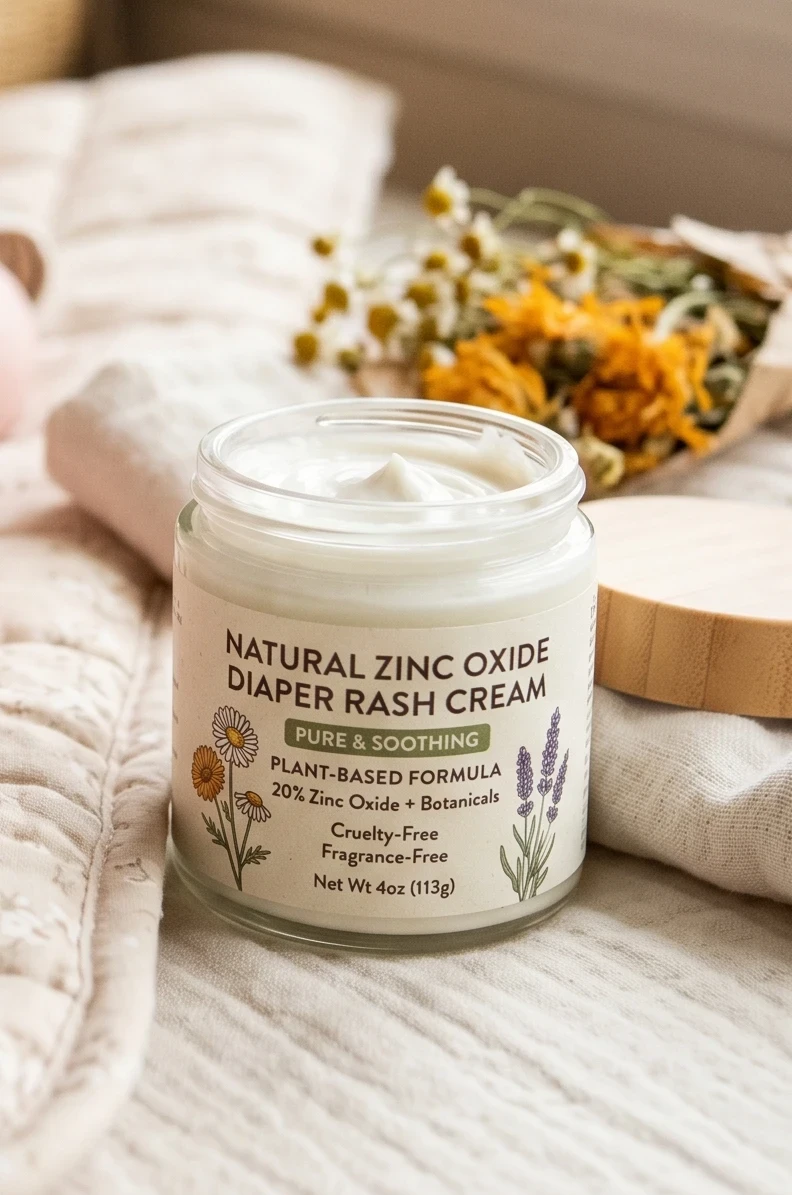
If you’re like me, reading the ingredient label on a bottle of baby lotion can feel like cracking a science project. Baby skin is super sensitive, so I keep it simple:
- Fewer Ingredients: I always lean toward balms, lotions, or soaps with fewer, easy-to-read ingredients.
- No Added Fragrance: Fragrance can mean a blend of unknown chemicals, so unscented usually means safer.
- Certified Organic or EWG Verified: These seals give a little extra confidence that the product was checked for known harmful chemicals.
Some brands I’ve tried and liked use ingredients like shea butter, coconut oil, calendula, and pure aloe. Anytime I spot parabens, phthalates, sulfates, or formaldehyde donors, I skip it. I always patch test a new product just in case, because even gentle formulas can cause a reaction sometimes.
If you want to make things even simpler, you can even try using plain coconut oil for moisturizing or use a gentle, fragrancefree baby soap. Sometimes, homemade or single-ingredient solutions keep things safe while avoiding the need to search for complex labels.
How to Know If Baby Products Are Safe
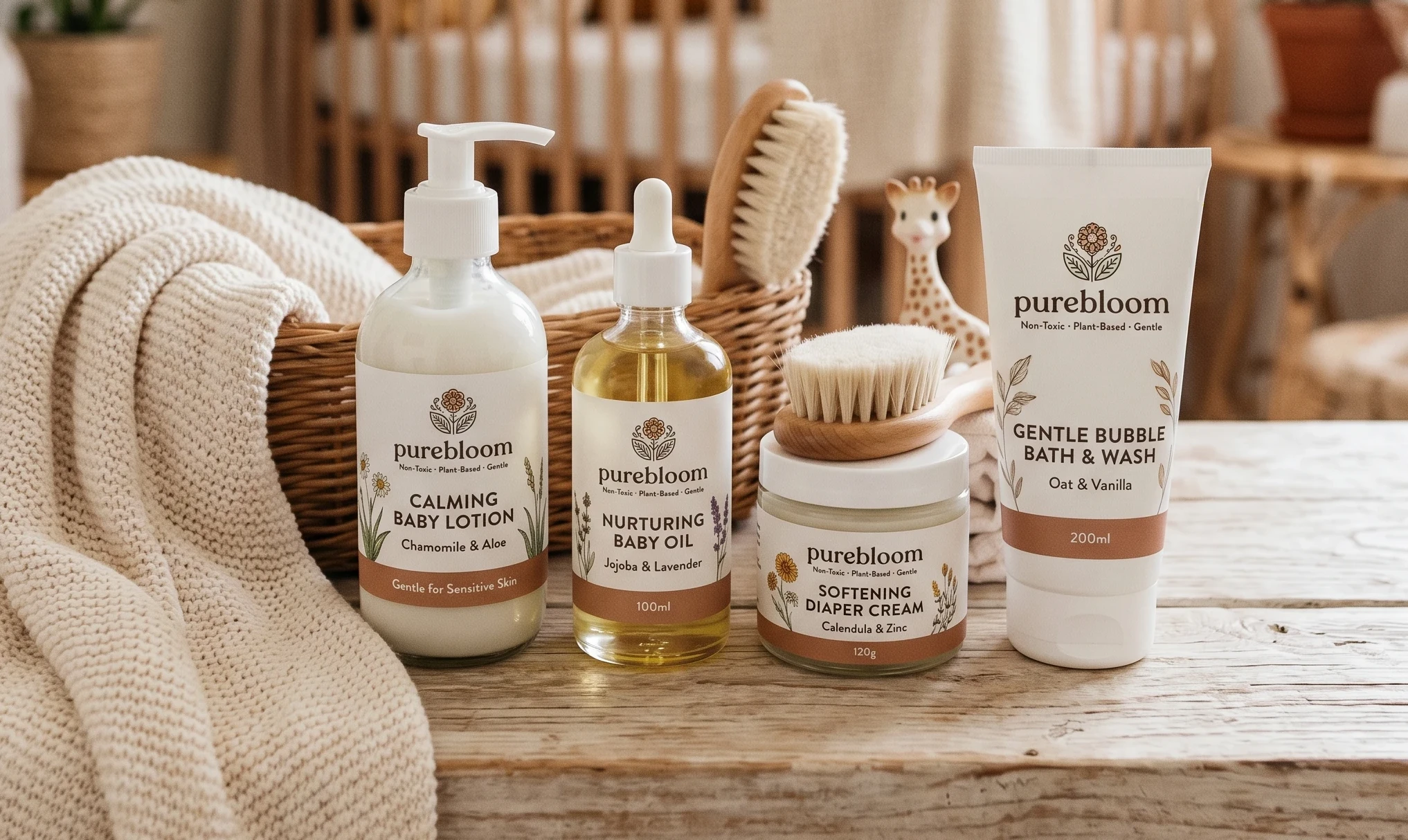
So many shelves are packed with baby products labeled “natural,” “organic,” or “nontoxic.” But what do those words really mean? I’ve found it’s really important to dig a little deeper because labeling isn’t always regulated. Here’s how I spot genuinely safe products:
- Check for Third-Party Certifications: More on that later, but seals like GOTS, OEKO-TEX, or MADE SAFE actually mean something.
- Look Up Ingredients: If I’m unsure, I plug the name into the EWG’s Skin Deep Database or search for info on known baby-safe ingredients.
- Find Reliable Company Info: Brands that show their test results or explain why they use certain materials give me more trust in their products.
I also talk with other parents, read reviews, and sometimes email companies directly. If I get vague answers, that’s usually my sign to move on.
It’s become a habit for me to jot down my own list of trustworthy brands. Over time, I’ve learned that building a shortlist of companies I know and trust makes baby shopping way easier and cuts down on random impulse buys that might not be as safe as they look.
Are Silicone Feeding Sets Safe?
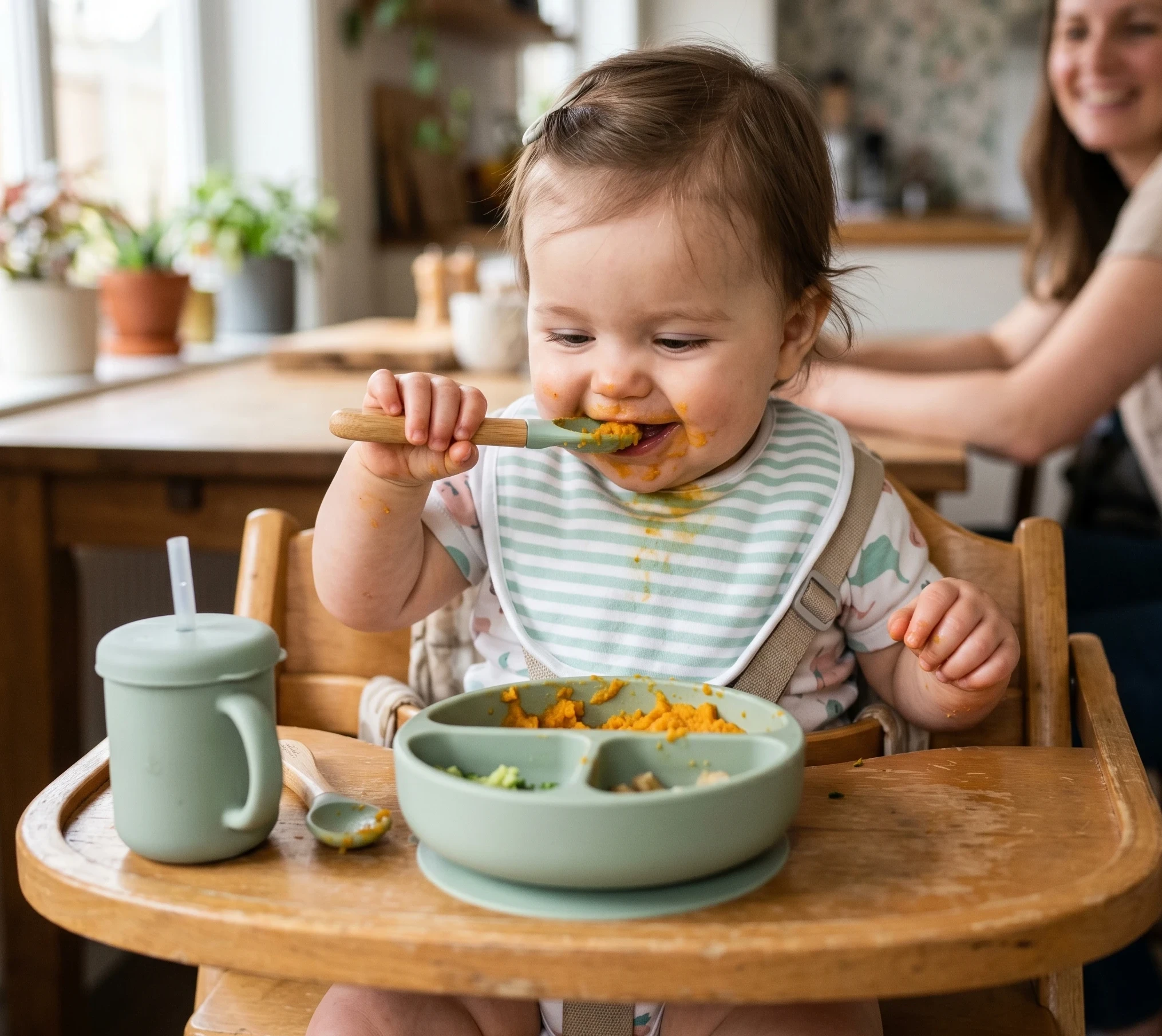
Silicone plates, bibs, and teethers are everywhere. They’re flexible, easy to clean, and super tough. Most foodgrade silicone is considered safe and free of plasticizers, BPA, and phthalates. Here’s how I make sure I’m picking safe silicone options:
- Look for 100% FoodGrade or Platinum Silicone: This means there aren’t fillers mixed in, which could contain unwanted chemicals or even tiny bits of plastic.
- Avoid Products with Bad Odor: Highquality silicone has very little smell. If something smells like chemicals out of the package, I don’t use it.
- Choose Known Brands: Smaller brands can be great, but for silicone, I prefer brands with a good safety track record.
Silicone products should never be used with sharp utensils since that can cause breakage, and I don’t microwave silicone unless it says it’s microwavesafe. Overall, foodgrade silicone for babies is a safe and nontoxic pick when you stick with the right brands.
One thing I learned is to replace silicone items if they become worn, sticky, or develop cracks. These signs might mean the silicone is breaking down, so swapping them out keeps things extra safe.
What Materials Should I Avoid?
Getting rid of risky materials is one of the fastest ways to cut down on toxins in my baby’s environment. These materials often show up in cheaper baby gear or handmedowns:
- PVC (Polyvinyl Chloride): Used in mats, toys, and some waterproof items, but it may contain phthalates.
- BPA (BisphenolA): This chemical was in bottles and sippy cups before 2012, but I still double-check.
- Phthalates: Often found in soft plastics; associated with hormonal disruption.
- Formaldehyde: Shows up in some glues, pressed wood furniture, and even baby clothes (for wrinkle resistance). I look for explicitly labeled “formaldehydefree” furniture or certified organic cotton for clothes and bedding.
- Flame Retardants: Used in foam baby mattresses, changing pads, or older upholstered gliders. Instead, I find products made from wool (which is fireresistant naturally) or mattresses certified as free from these chemicals.
Lead and cadmium still sometimes show up in paints, cheap jewelry, or imported toys. If a product doesn’t clearly say “leadfree,” especially with painted toys, I usually pass. It’s worth checking older toys or handmedown items for these risks, too.
Certifications That Actually Matter
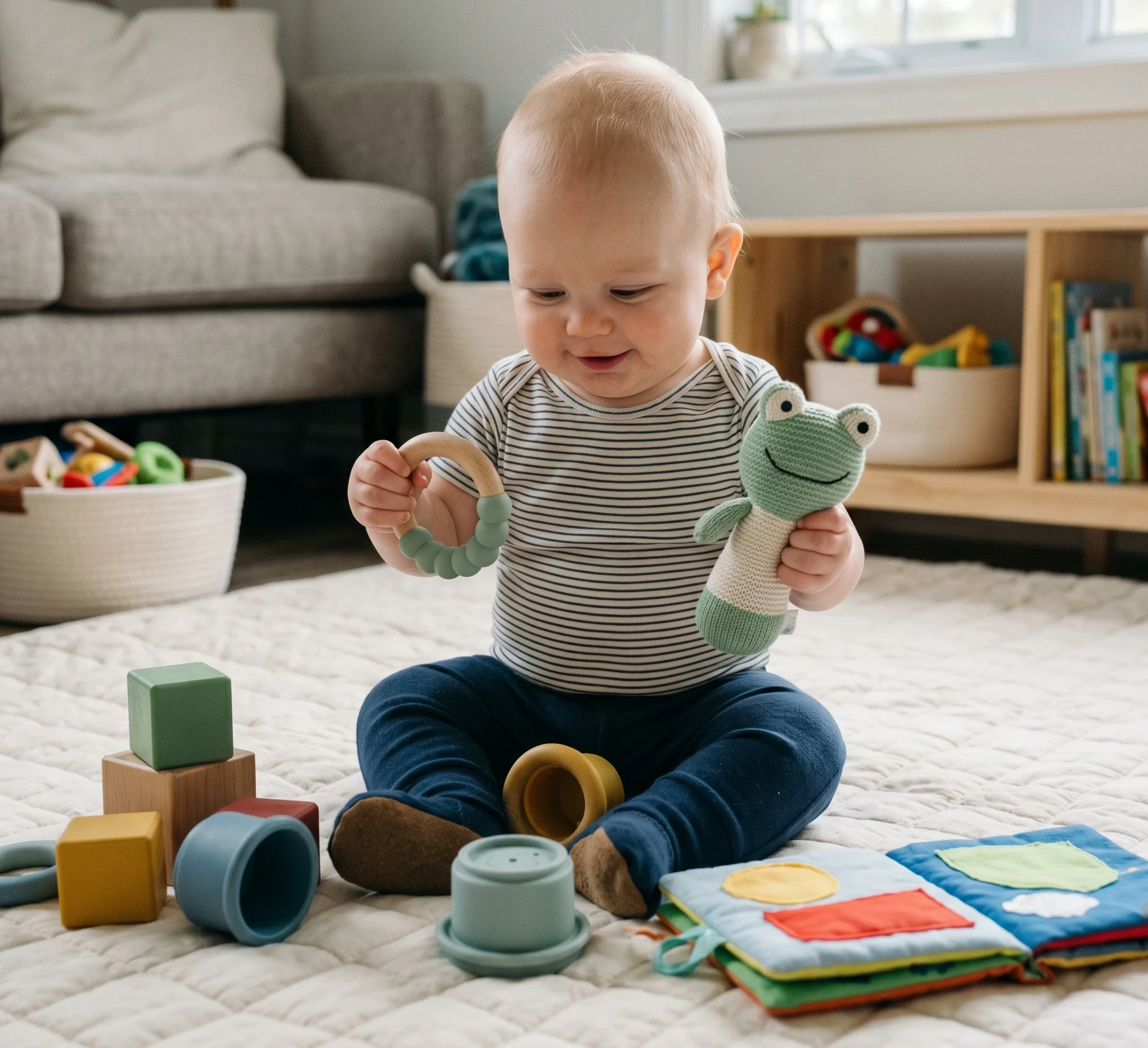
Certifications can save me tons of research, but not all labels have real backing. These are the ones I look for because they’re checked by thirdparty organizations, not just marketing buzzwords:
- GOTS (Global Organic Textile Standard): This is the gold standard for things like swaddles, bedding, and baby clothes made from organic materials. It guarantees both social and ecological criteria were met.
- OEKO-TEX Standard 100: Ensures that textiles are tested for hundreds of unwanted substances, even if the fabric isn’t organic.
- MADE SAFE: Screens ingredients in everything from lotions to mattresses for known or suspected toxins.
- GREENGUARD Gold: Looks at how much a product “offgasses” or releases chemical vapors, especially for mattresses and furniture.
Trustworthy certifications are listed on product packaging or the company’s website. If I see these, I feel better about bringing that product into my home.
Sometimes, smaller brands may not have the budget for big certifications but clearly explain their materials and processes. In those cases, transparent ingredient lists and detailed safety testing info are key to making smarter choices.
What Else to Keep in Mind Before Buying
Safe baby products aren’t always the priciest option or the trendiest on social media. Some really great, nontoxic picks are simple, affordable, and from smaller brands. Here’s what I remind myself before hitting “buy”:
- Buy According to Need: Instead of grabbing every new gadget, I get what we’ll actually use day to day. This cuts down on clutter and potential exposure to unknown materials.
- Read Reviews: Real-life experiences from parents can tell me way more than a shiny ad or company blog.
- Check Recalls: I pop over to the CPSC recall database to make sure the product hasn’t had any safety issues lately.
- Go Slow with New Products: Especially with skincare, I introduce one new item at a time. It makes tracking down any reactions way easier.
I also keep in mind that handmedowns from trusted friends or family can be safe as long as they’re checked for recalls and don’t contain risky materials. Inspecting for loose parts or worn finishes is a simple step for peace of mind.
Common Questions About Nontoxic Baby Products
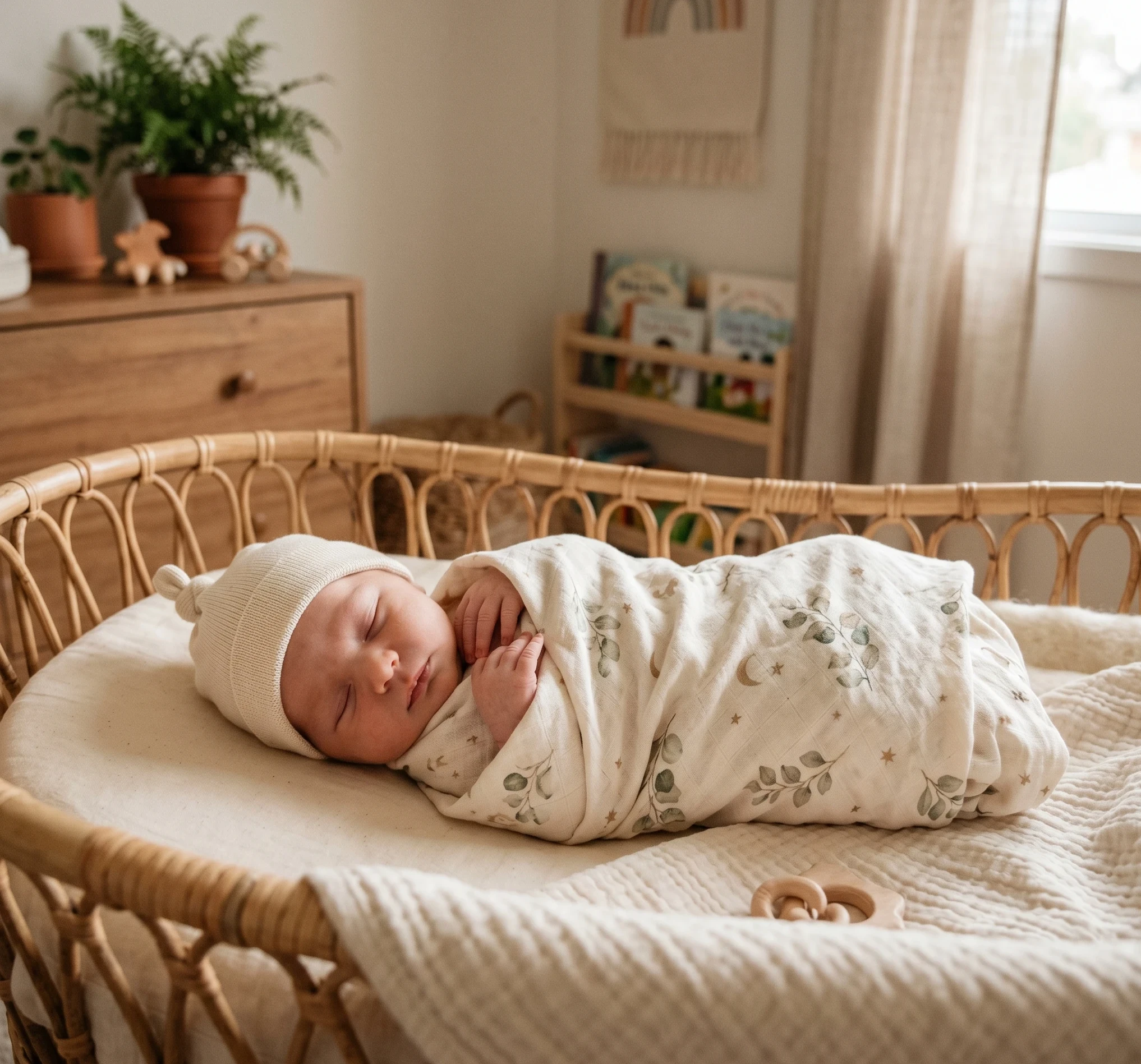
Question: What’s the safest option for baby bottles?
Answer: I prefer glass bottles with silicone sleeves or stainless steel. Both avoid most concerns with plastics, but there are also BPA and BPS free options for those who prefer lightweight bottles. Just look for thirdparty testing to back up any safety claims.
Question: Is organic cotton worth it?
Answer: I think it’s worth checking out, especially for things that touch my baby’s skin all day like sheets, clothing, and swaddles. Organic cotton is less likely to have pesticides or chemical finishes. It can sometimes be pricier, but it’s an area I like to prioritize if the budget allows.
Question: Do I need to replace all my baby gear if it’s not certified?
Answer: Not at all. I aim to swap out higherrisk things first, anything my baby is constantly in close contact with like bedding, bottles, and teethers. Lower-contact or older items can be phased out over time if they’re in good shape and pass basic safety checks.
Question: Can I make my own baby products at home?
Answer: Some parents like putting together homemade baby wipes, oils, or lotions using simple, recognizable ingredients. If you give this a shot, always consult with your pediatrician and patch test on your baby’s skin to check for any reactions. This is a great way to control what touches your baby’s skin.
Final Thoughts on Safe and Nontoxic Baby Products
Keeping my home low-tox doesn’t mean stressing over every single product, but it does mean paying attention to what my baby uses every day. By focusing on trustworthy materials, checking out real certifications, and going easy on the extras, I’ve managed to build a safer space for my family without losing my mind in the process. A little research and clear labelling make picking safe, nontoxic baby products a lot more doable, and honestly, a lot less stressful for me as a parent.