
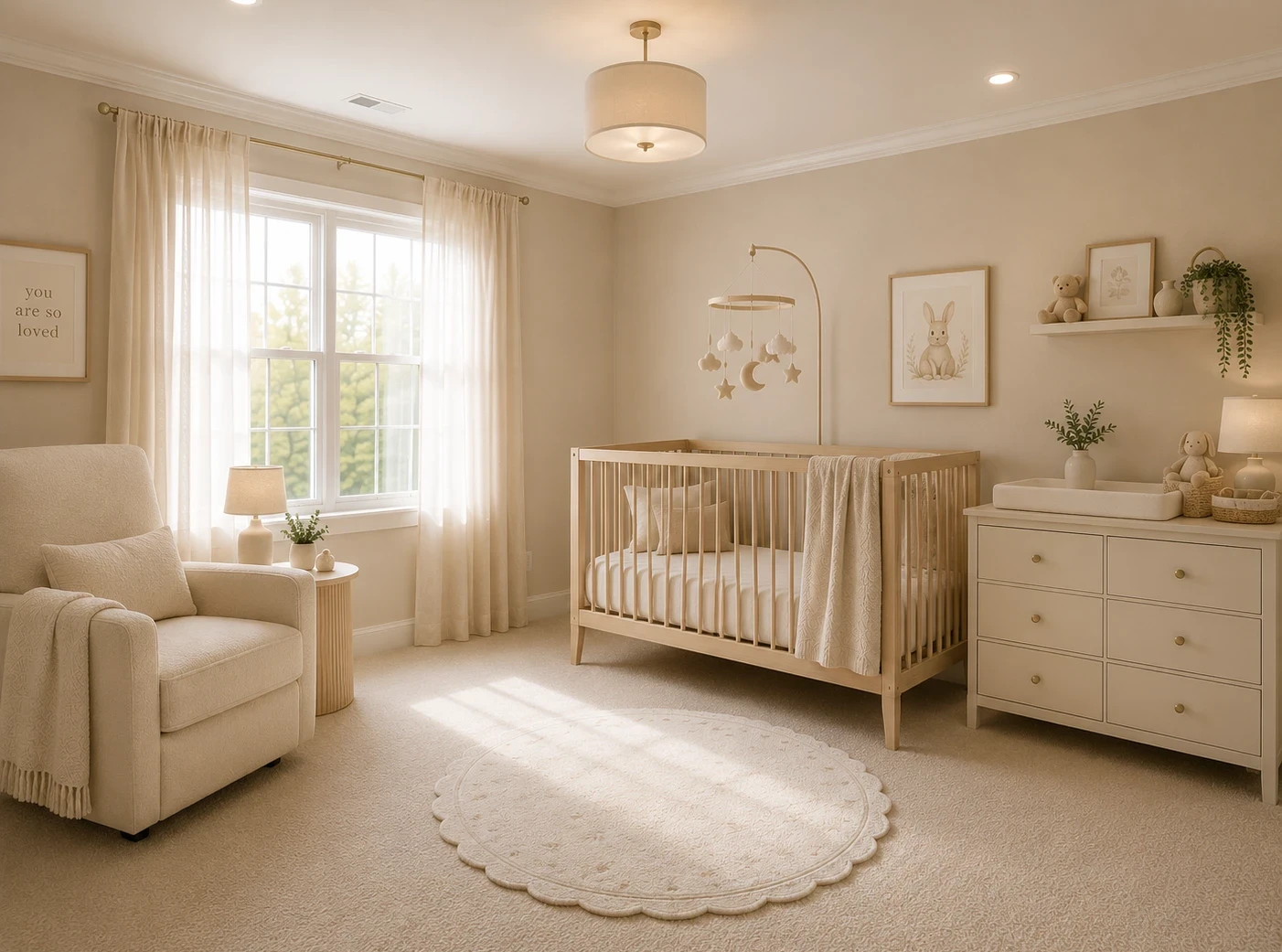
Getting the hang of newborn sleep can feel a bit overwhelming, especially with all the advice floating around online. By 2026, there are some new tricks and products that make things more manageable, but the basics still matter most. Drawing from what I’ve seen and tried, I’m sharing my most helpful tips and up-to-date advice for parents who want a smoother time with their baby’s sleep routine. If you’re searching for baby sleep tips, a newborn sleep schedule that works, or just how to get baby to sleep more peacefully, you’re in the right place.
Why Newborn Sleep Is So Different
Newborns (babies under three months old) have totally different sleep patterns compared to older babies or adults. Their tiny stomachs mean they need to eat often, and their sleep cycles are much shorter and typically last about 50 minutes. That’s why it can feel impossible to get long stretches of sleep early on; your baby simply isn’t ready yet.
Expect your newborn to sleep anywhere from 14 to 17 hours a day, though they’ll wake up frequently to eat. Sleep is split into chunks, not long stretches, and night and day blur together for a few months. Understanding these patterns helps everyone stress less about what’s truly normal during those first months. If you find yourself wondering if your baby is sleeping “enough,” remember that every infant is different, and these numbers are just guidelines.
Setting Up a Safe Sleep Environment in 2026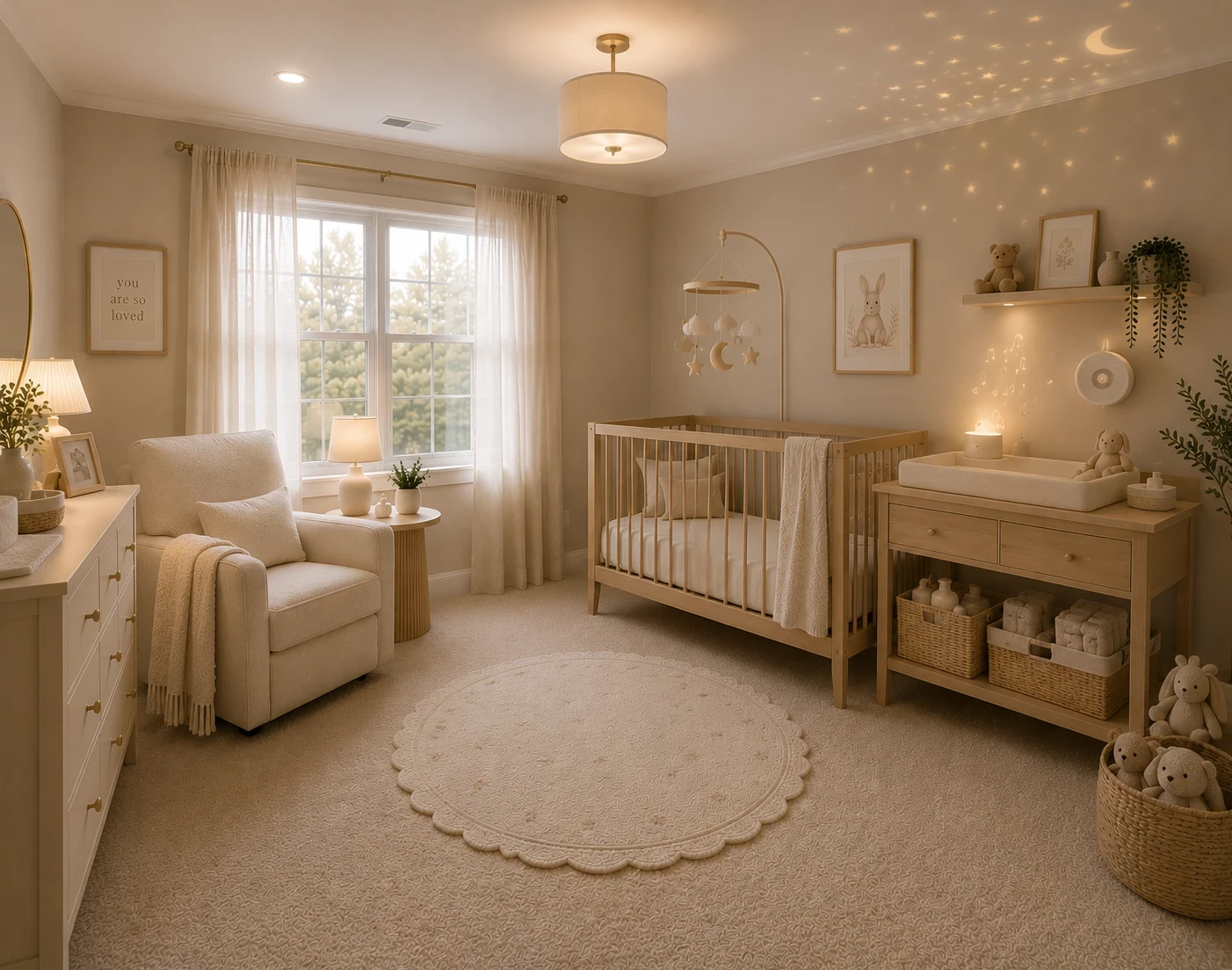
Creating a safe sleep environment isn’t just about the latest gadgets. At the core, it’s making sure your baby sleeps securely every time. Here’s what I look for when putting together the nursery:
- Firm, Flat Mattress: The crib or bassinet should have a snug-fitting, firm mattress with just a fitted sheet—no blankets, pillows, or toys cluttering the area.
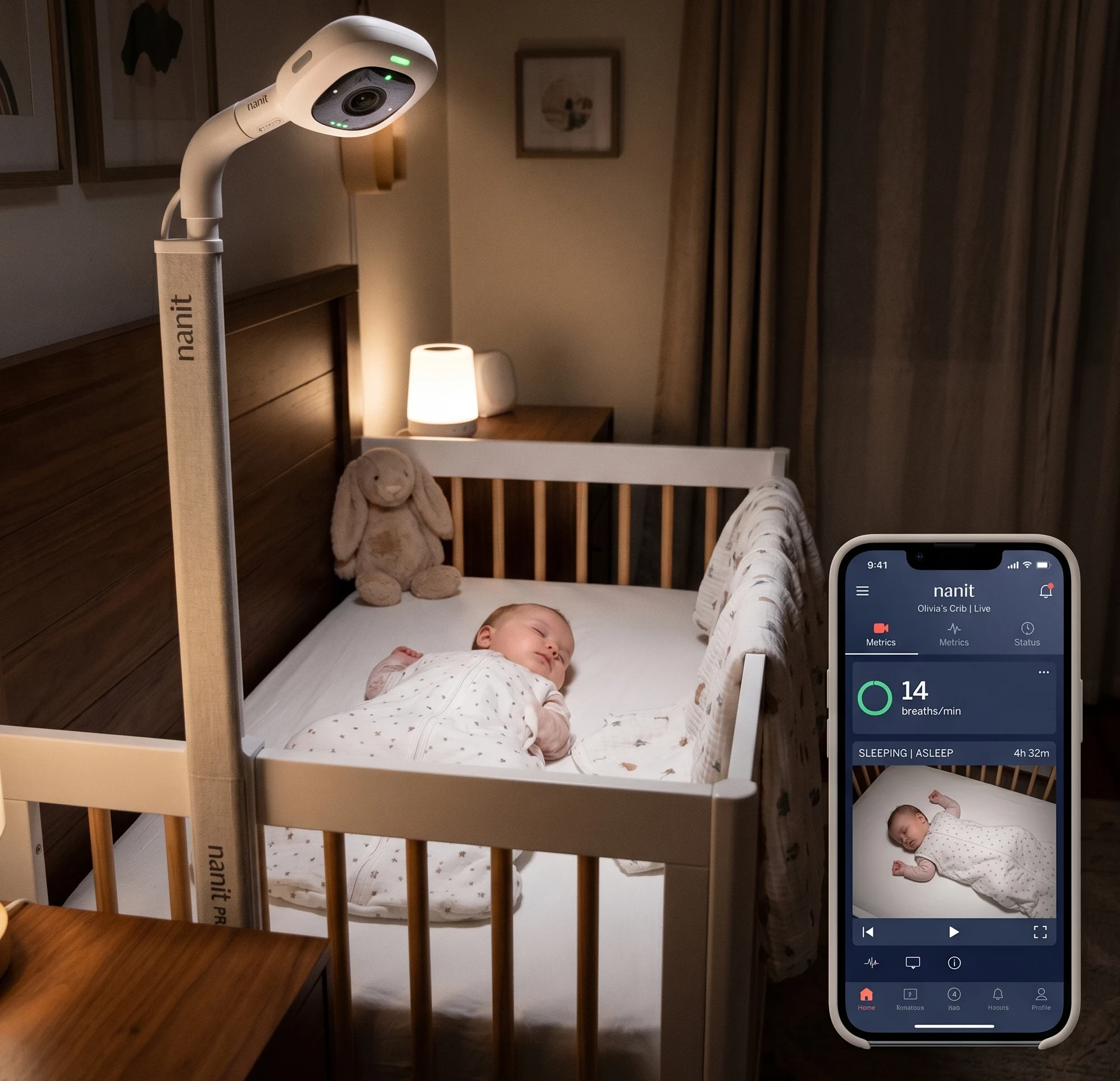
- Smart Monitors: Many parents in 2026 use smart baby monitors that track breathing, temperature, and sound levels, providing extra peace of mind without being too intrusive or disruptive.
- Room Sharing: It’s recommended to have your baby sleep in the same room as you for the first six months. A portable bassinet or bedside sleeper can be really handy for this stage.
- Climate Control: Aim for a room temperature between 68°F–72°F (20°C–22°C). Wearable sleep sacks are a safe and practical way to keep your newborn cozy without overheating.
By sticking to these basics and not overcomplicating things, you’re already making great progress in setting your newborn up for safe and restful sleep.
How to Build a Newborn Sleep Schedual That Works
Although newborns aren’t up for a strict schedule right away, gentle patterns can really help you and your baby get more rest. Here’s how I like to start building those habits:
- Day and Night Cues: Keep daytime feeds and play lively and bright. At night, use softer lighting and hushed voices so your baby starts to sense the difference between day and night.
- Flexible Schedual Over Rigid Routine: Instead of relying only on the clock, I recommend observing your baby for sleepy cues like yawning, eye-rubbing, or a sudden fussy stretch. Place your baby down when drowsy but still awake.
- Short Wake Windows: For the early weeks, most newborns do best with wake times of just 45–90 minutes between naps or night sleep stretches.
After a few weeks, as you get to know your baby’s own rhythms, your “newborn sleep schedual” will settle into a pattern—usually by the two- or three-month mark. Remember, your baby might take a little longer or less time than a friend’s, and that’s completely fine.
Baby Sleep Tips for Better Nights and Naps
Every baby is unique, but some baby sleep tips tend to help most families:
- Consistent Bedtime Routine: A warm wipe-down, quick picture book, or a special lullaby gives your baby predictable cues that it’s time to rest.
- Watch for Overtiredness: It’s easier for your baby to fall asleep and sleep longer if you catch early sleepy signs instead of waiting for full fussiness.
- Feeding and Burping: Feeding your baby well and getting a good burp session before sleep can reduce middle-of-the-night wakeups because of hunger or discomfort.
- White Noise: Using a soft, consistent sound in the background helps block out household noise and makes it smoother for your baby to drift between sleep cycles.
These techniques allow you to adapt as your baby grows and sleep needs change. Being flexible is key, since sleep patterns can switch up suddenly during growth spurts or developmental stages.
Swaddle to Sleep Sack Transition: What’s Working in 2026?
Most babies like being swaddled for the first 8 to 10 weeks, but rolling over means it’s time to make the change to sleep sacks. The jump from a swaddle to a sleep sack is all about safety and comfort—there are even more options available now than just a couple years ago.
When your baby starts showing signs of rolling, begin loosening the swaddle during some naps. Next, pick a sleep sack that provides free movement for arms and hips but gives the comforting snugness babies crave around the torso. Transitional sleep sacks, with options for different arm positions, are incredibly popular in 2026. I especially like sacks with “arms up” or adjustable arm designs, so babies can self-soothe by gently touching their faces without risk.
If your baby isn’t happy with the switch right away, try using the sleep sack for naps before transitioning to nighttime. Usually, after a few days of consistency, babies adapt to the change just fine. Letting them explore the new sleep sack during play can also help it feel more familiar.
The Best Sleep Sacks of 2026
The latest wearable sleep gear keeps improving for comfort and convenience. When tracking down the best sleep sacks 2026 offers, I look for safety, easy washing, and the ability to grow with your baby. This year’s standouts include:
- Adjustable Sleep Sacks: These sleep sacks have variable arm positions and can be used for several months, saving money and hassle for parents.
- Temperature Regulating Materials: In 2026, advanced fabrics adapt to warm or cooler climates, reducing the risk of your baby getting too hot or cold.
- Easy On Zippers: Both two way zippers and silent Velcro fastenings make nighttime diaper changes faster and quieter.
If personalized suggestions are what you’re after, BabyGearLab (link) offers a yearly updated, parent-tested list. Online reviews are also great for tracking down real-life feedback on new sleep sack models.
Common Challenges (and My Favourite Fixes)

- Frequent Waking: It’s normal for newborns to wake often, but using longer burp sessions or a steady white noise sound can smooth things out.
- Day/Night Confusion: Keep the room bright in the daytime and dark at night; blackout curtains or shades are awesome for this.
- Short Naps: Babies may catnap during developmental growth. Gentle rocking or wearing your baby in a sling for contact naps can help both you and your baby during stressful spells.
- Startle Reflex: If your baby’s arms jerk out and wake them up, a snug swaddle or fitted sleep sack offers comfort, at least until rolling starts.
Many of these challenges fade as your baby grows and as you settle into routines that work best for your unique family. Don’t hesitate to switch up your strategies as needed.
Extra Tips from Real Parents
Picking up insights from other families is super helpful. I’ve learned easy tricks, like including a soothing foot rub during bedtime or using a dimmable night light at diaper changes to maintain a peaceful vibe. Exchanging ideas and product tips in parenting groups online has been a lifesaver through rough patches and sleep struggles.
Frequently Asked Questions
How can I get my baby to sleep longer at night?
Feed your baby well before bedtime, try a calm bedtime routine, and make the sleep setting as dark and peaceful as possible. Babies naturally start sleeping longer stretches on their own around three or four months.
What’s the safest sleep position in 2026?
Back sleeping remains 100% recommended for all babies through the first year, unless your pediatrician says otherwise. This advice continues to stand the test of time and research.
When should I stop swaddling?
Stop swaddling as soon as your baby starts rolling or tries to get onto their side. Transition to a sleep sack immediately to keep things safe. For many, this happens as early as eight weeks.
What if my newborn only wants to sleep in my arms?
This is incredibly common. Short contact naps are totally fine in the early weeks. Try moving your baby to their own sleep space once they’re drowsy but not fully asleep. Patience is key; this phase will pass.
Finding What Works for Your Family
Baby sleep changes quickly and rarely follows an exact script. The trick is to try out different techniques, stay open minded, and ignore the pressure to match other people’s routines. Safe sleep practices, patience, and flexibility count for so much. Whether you’re experimenting with the latest smart monitors, picking out the best sleep sacks 2026, or just making it through another late night, rest easier knowing more peaceful nights are ahead for your family.
This was such a comforting read. Newborn sleep can feel so overwhelming in the beginning, especially when you’re exhausted and just trying to understand what your baby needs. I remember those nights of wondering if I was doing everything wrong because the sleep was so unpredictable. Learning to watch for sleepy cues and not expect a perfect schedule too early made such a big difference emotionally. I also really appreciated the reminder about safe, simple sleep spaces because new parents already have so much to worry about. This guide feels gentle, realistic, and reassuring.
Thank you so much for your kind and thoughtful comment. We’re truly touched to hear that you found the guide comforting and reassuring.
Those early newborn weeks can be both beautiful and incredibly challenging. As you mentioned, the unpredictability of newborn sleep often leaves parents questioning themselves, especially when they’re running on very little rest. One of the most important messages we hoped to share is that newborn sleep is rarely perfect, and that doesn’t mean you’re doing anything wrong. Learning to recognise your baby’s unique cues and responding to their needs can often be far more helpful than trying to follow a strict schedule.
We’re also glad the information about safe and simple sleep spaces resonated with you. New parents are often faced with an overwhelming amount of advice and products, when in reality, creating a safe, comfortable sleep environment is one of the most important things they can do.
Thank you for sharing your experience and perspective. Comments like yours help remind other parents that they are not alone in their journey and that it’s okay to take things one day—and one night—at a time. We truly appreciate your support and are grateful to have you as part of our Baby Boutique community.
Newborn sleep can really test your patience, especially during those first few months when every night feels different. I remember how helpful it was to stop expecting a perfect schedule and pay more attention to sleepy signs instead. Things like keeping nights quiet, using soft lighting, and having the same small bedtime habits made a big difference.
I also agree about keeping the sleep setup simple. It is easy to get caught up buying every new baby gadget, but a safe and comfortable space matters the most. Every baby has their own rhythm, so learning what works for your own family is such an important part of the process.
Thank you for sharing your experience and insights! You’ve highlighted something that many new parents discover along the way—there’s no such thing as a perfect sleep schedule, especially in those early months. Learning to recognise your baby’s sleepy cues and responding to their individual needs can often be far more effective than trying to follow a strict routine.
We completely agree that simple bedtime habits, a calm environment, and consistency can make a meaningful difference over time. Creating a quiet, soothing atmosphere helps signal to babies that it’s time to rest, while also providing parents with a sense of structure during an otherwise unpredictable stage.
Your point about keeping the sleep setup simple is so important too. While there are countless products available, the foundations of safe sleep—a secure sleeping space, comfort, and responsive caregiving—remain the most valuable.
Thank you again for contributing to the conversation. Your perspective is sure to reassure and encourage other parents who may be navigating the challenges of newborn sleep.